The terms "head" and "mouth" are intrinsically linked, describing both a broad anatomical region and the vital gateway to our digestive and respiratory systems. Understanding the structure of the oral cavity, its functions, the conditions that affect it, and its profound connection to our body's overall health is crucial for a lifetime of well-being.
This comprehensive guide synthesizes information from leading medical institutions to provide a complete overview of the head and mouth, from basic anatomy to complex diseases like oral cancer and the contagious Hand, Foot, and Mouth Disease.
The Anatomy and Function of the Oral Cavity
The oral cavity, or mouth, is a complex structure within the head that serves as the first part of the digestive tract. Its anatomy is designed to perform several essential functions efficiently.
Structure of the Mouth
According to StatPearls from the National Institutes of Health (NIH), the oral cavity is composed of two main regions:
- The Vestibule: The area between the cheeks, lips, and teeth.
- The Oral Cavity Proper: The space behind the teeth, largely filled by the tongue. Its roof is formed by the hard and soft palates, and its floor consists of the mylohyoid muscles.
Key structures within the mouth include:
- Lips and Cheeks: Frame the mouth and help contain food.
- Teeth and Gums: Responsible for tearing and grinding food (mastication).
- Tongue: A powerful muscle that manipulates food for chewing and swallowing, contains taste buds, and is a critical articulator for speech.
- Palate: The roof of the mouth, separating it from the nasal cavity. It consists of the bony hard palate at the front and the muscular soft palate at the back, which ends in the uvula.
- Salivary Glands: Produce saliva, which lubricates the mouth, begins the digestion of starches, and helps protect against bacteria.
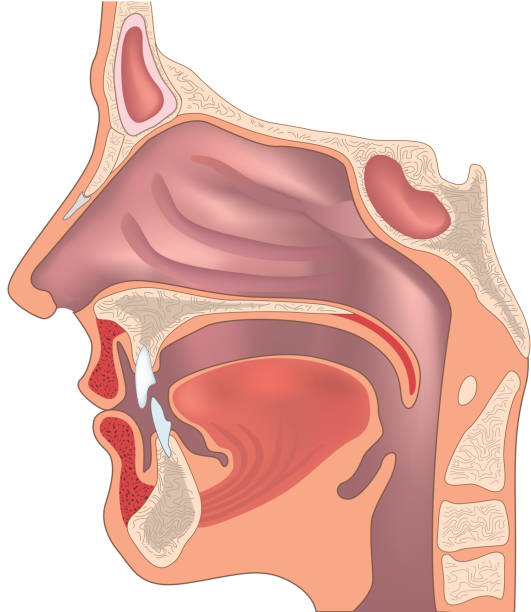 Image Source: iStock
Core Functions of the Mouth
As highlighted by the Cleveland Clinic, the mouth plays a central role in several daily bodily functions:
- Digestion: The mouth is where digestion begins. Chewing breaks down food, and saliva starts to break down carbohydrates.
- Respiration: The mouth serves as an alternative airway to the nose, allowing a larger volume of air to enter the lungs, though without the filtration system the nose provides.
- Speech: The lips, tongue, and palate work together to form the sounds necessary for communication.
- Taste and Sensation: Taste buds on the tongue allow us to perceive flavors, while a complex network of nerves provides sensations of touch and temperature.
Common Diseases and Conditions of the Head and Mouth
The head and mouth region is susceptible to a wide range of conditions, from common viral illnesses to serious cancers.
Hand, Foot, and Mouth Disease (HFMD)
Often confused with the term "head and mouth disease," Hand, Foot, and Mouth Disease (HFMD) is a mild but highly contagious viral illness common in young children.
According to the Mayo Clinic and the CDC, HFMD is typically caused by the coxsackievirus.
- Symptoms: Usually begin with a fever and sore throat, followed by painful, blister-like sores inside the mouth and a non-itchy rash on the hands, feet, and sometimes the buttocks.
- Transmission: Spreads easily through person-to-person contact with an infected person's saliva, blister fluid, stool, or respiratory droplets from coughing or sneezing.
- Treatment & Prevention: There is no specific treatment; care focuses on relieving symptoms and preventing dehydration. Frequent handwashing and disinfecting common areas are the best prevention methods.
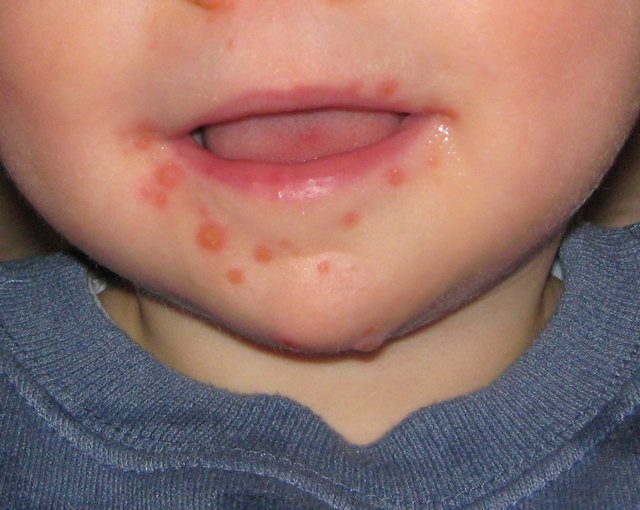 Image Source: Wikipedia
Head and Neck Cancers (Including Oral Cancer)
Head and neck cancers are malignancies that can develop in the oral cavity, throat, voice box, sinuses, nasal cavity, or salivary glands. Squamous cell carcinoma accounts for over 90% of these cases.
Yale Medicine experts identify the primary risk factors:
- Tobacco Use: Smoking or using smokeless tobacco is a leading cause.
- Alcohol Consumption: Heavy alcohol use, especially when combined with tobacco, significantly increases the risk.
- Human Papillomavirus (HPV): HPV infection is a rapidly growing cause of oropharyngeal cancers (cancers of the back of the throat, including the base of the tongue and tonsils).
Symptoms to watch for include:
- A sore in the mouth that does not heal.
- Persistent throat or ear pain.
- A lump in the neck.
- Changes in voice or difficulty swallowing.
A Deeper Look: The Rise of HPV-Related Cancers
Research shows that HPV is now responsible for 70-90% of oropharyngeal cancers. These cancers are increasingly seen in younger individuals without traditional risk factors. Fortunately, HPV-positive cancers have a much better prognosis and respond more effectively to treatment than HPV-negative cancers. The HPV vaccine is a highly effective tool for preventing these cancers and is recommended for both boys and girls.
Understanding Oral Lesions: Benign vs. Malignant
It's common to develop sores or spots in the mouth, but it's important to know when to be concerned.
- Benign Lesions: These are typically harmless. Examples include canker sores (aphthous ulcers), which are painful but heal within one to two weeks, and traumatic ulcers from biting your cheek.
- Potentially Malignant Lesions: Any ulcer, white patch (leukoplakia), or red patch that does not heal within two to three weeks should be evaluated by a dentist or doctor. Malignant lesions are often, but not always, painless in their early stages. They may have irregular, raised edges and feel firm to the touch.
A professional evaluation, and sometimes a biopsy, is necessary to make a definitive diagnosis.
The Mouth-Body Connection: How Oral Health Affects Overall Health
A growing body of scientific evidence reveals that oral health is a mirror to your overall health. The mouth can act as a gateway for harmful bacteria and inflammation to spread throughout the body, a concept known as the oral-systemic connection.
Biological Pathways
Two primary mechanisms link oral issues to systemic diseases:
- Spread of Bacteria: Harmful bacteria from gum disease (periodontitis) can enter the bloodstream through inflamed gums. These bacteria can then travel to other organs, like the heart and brain, triggering inflammation and infection.
- Chronic Inflammation: The persistent inflammation associated with gum disease can "spill over" into the rest of the body, contributing to a state of systemic inflammation. This is a known risk factor for many chronic diseases.
Systemic Diseases Linked to Poor Oral Health
Research, such as that highlighted by Tufts University, has established strong links between poor oral health and several serious conditions:
- Cardiovascular Disease: Inflammation from gum disease is linked to an increased risk of heart disease, clogged arteries, and stroke.
- Diabetes: The relationship is a two-way street. People with diabetes are more susceptible to gum disease, which in turn can make it harder to control blood sugar.
- Dementia: Bacteria associated with gum disease have been found in the brains of patients with Alzheimer's disease, suggesting a potential link.
- Respiratory Infections: Bacteria from the mouth can be inhaled into the lungs, potentially causing pneumonia.
- Pregnancy Complications: Gum disease in expectant mothers is associated with a higher risk of premature birth and low birth weight babies.
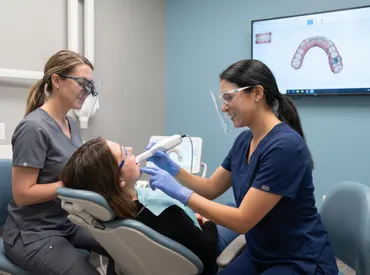
!Dentist examining patient's mouth
Image Source: Pexels
How to Maintain Optimal Head and Mouth Health
Given the critical role of oral health, preventive care is paramount.
- Practice Excellent Oral Hygiene: Brush your teeth twice a day with fluoride toothpaste and floss daily to remove plaque.
- Eat a Balanced Diet: Limit sugary foods and drinks that contribute to tooth decay.
- Avoid Tobacco and Limit Alcohol: These are major risk factors for oral cancer and gum disease.
- Schedule Regular Dental Check-ups: Professional cleanings and exams are essential for catching problems early.
- Consider the HPV Vaccine: Speak with your doctor about vaccination to protect against HPV-related cancers.
- Perform Self-Exams: Regularly check your mouth for any sores, lumps, or patches that don't heal.
References