Why Do All My Teeth Hurt Suddenly? Causes, Relief & Prevention

Waking up with an aching jaw or experiencing sudden, unexplained discomfort that radiates across your entire dental arch can be deeply unsettling. Many patients find themselves searching online, desperately asking why do all my teeth hurt suddenly without finding clear, medically sound answers. Dental pain that feels generalized rather than localized often stems from complex interactions between nerve pathways, systemic inflammation, and habitual oral behaviors. The human mouth contains a highly interconnected network of blood vessels, periodontal ligaments, and the trigeminal nerve, which can transmit discomfort across multiple teeth even when only one structure is experiencing stress. Understanding the physiological mechanisms behind this sudden discomfort is the first step toward accurate diagnosis, effective management, and long-term oral health. This comprehensive guide explores the primary medical, environmental, and behavioral triggers of widespread dental pain, provides evidence-based relief strategies, and outlines when professional intervention becomes absolutely necessary.
The Neurological and Anatomical Basis of Widespread Dental Pain
To truly understand why do all my teeth hurt suddenly, we must first examine the complex neuroanatomy of the oral cavity. The mouth does not operate with isolated pain receptors that function independently of one another. Instead, dental tissues share dense neural connections that can amplify and distribute discomfort far beyond the original source of irritation.
Free calculatorSleep CalculatorCalculate sleep cyclesOpen the calculatorUnderstanding Trigeminal Nerve Pathways
The trigeminal nerve is the largest cranial nerve and serves as the primary sensory highway for the face, jaw, and oral structures. It divides into three major branches: the ophthalmic, maxillary, and mandibular nerves. The maxillary and mandibular branches directly innervate the upper and lower teeth, respectively. When inflammation, pressure, or trauma affects even a single dental nerve ending, the trigeminal system can trigger a phenomenon known as central sensitization. In this state, the brain amplifies normal sensory signals, interpreting mild irritation as sharp, widespread pain. This explains why localized periodontal inflammation or a single micro-fractured enamel surface can generate a diffuse aching sensation that feels like it involves every tooth. The nervous system essentially misinterprets the signal radius, causing you to experience generalized discomfort instead of pinpointed pain.
The Role of Pulpal Innervation in Generalized Sensitivity
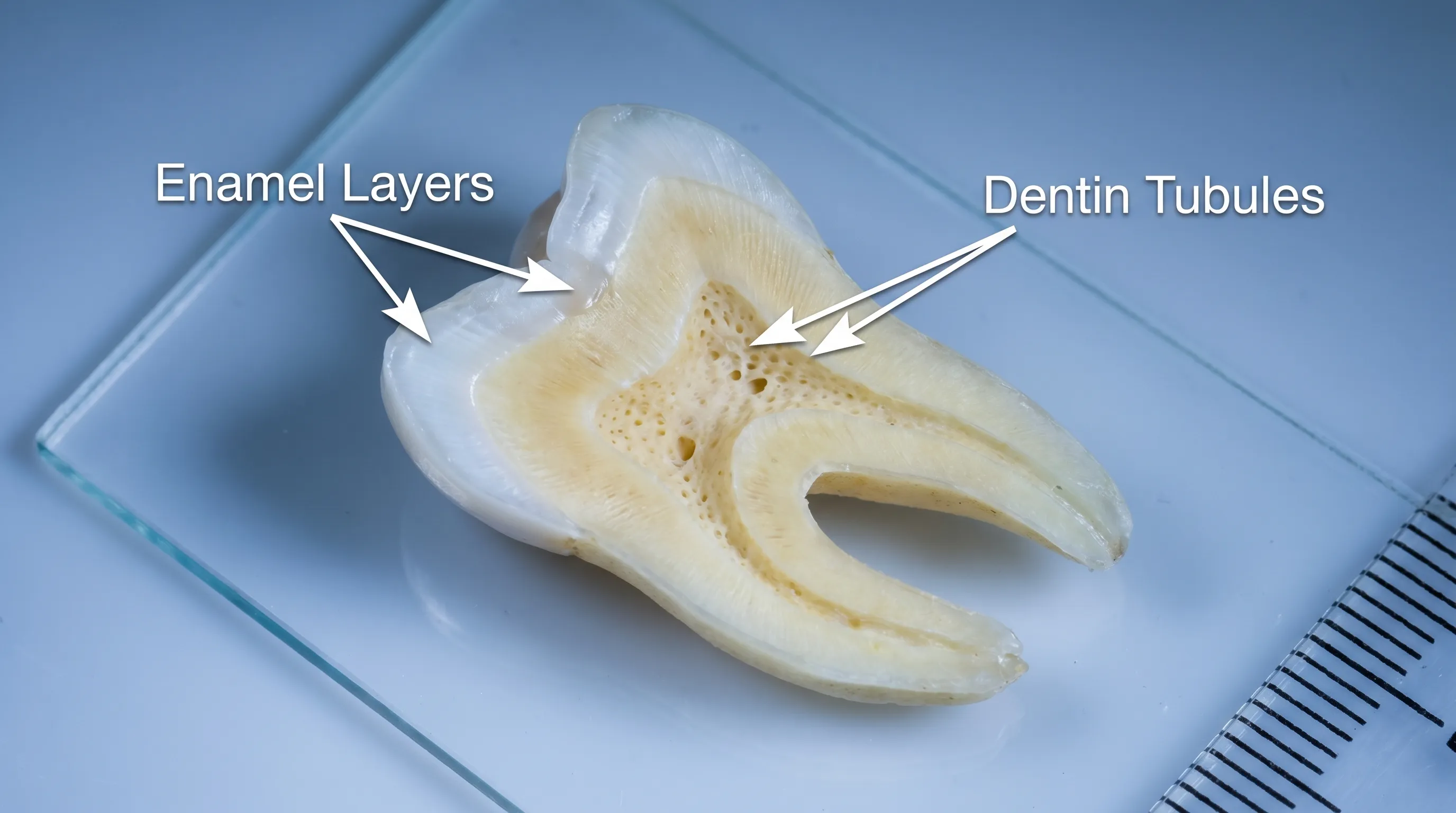
Inside every tooth lies the dental pulp, a soft tissue compartment containing blood vessels, connective tissue, and specialized nociceptive fibers. These fibers are highly sensitive to changes in osmotic pressure, temperature, and bacterial byproducts. When dentin becomes exposed due to enamel wear or gingival recession, microscopic tubules connect the external environment directly to the pulp chamber. External stimuli travel rapidly through these fluid-filled channels, triggering nerve responses that the brain struggles to localize. Because the pulp lacks proprioceptive feedback (the sense of position and movement), the brain cannot accurately pinpoint which specific tooth is responsible. Instead, the discomfort registers as a broad, arching sensation that involves the entire quadrant or both dental arches. This physiological reality is a primary reason patients frequently report why do all my teeth hurt suddenly during episodes of heightened sensitivity or acute inflammatory responses.
Common Medical and Dental Triggers
Sudden widespread tooth pain rarely occurs in isolation. It is typically the result of an underlying physiological process, structural compromise, or systemic condition that has reached a symptomatic threshold. Identifying the precise trigger requires a methodical evaluation of both dental and medical history.
Maxillary Sinusitis and Sinus Pressure Reversal
The maxillary sinuses are large, air-filled cavities located within the cheekbones, directly superior to the roots of the upper premolars and molars. During a viral upper respiratory infection, allergic reaction, or bacterial sinusitis, the sinus membranes become inflamed and produce excess mucus. As the sinus cavity fills, the increased hydrostatic pressure compresses the periodontal ligaments and dental nerve roots that sit in close anatomical proximity. This mechanical compression generates a dull, throbbing ache that mimics widespread dental decay or gum disease. Patients often report that the pain intensifies when bending over, lying down, or engaging in sudden head movements. Because the maxillary teeth share this confined space, the discomfort frequently radiates across multiple teeth simultaneously, creating the illusion of a catastrophic dental emergency. Resolving the sinus inflammation through decongestants, saline irrigation, or targeted antibiotics typically resolves the dental symptoms without requiring restorative dental procedures.
Sleep Bruxism and Nocturnal Clenching Episodes
Nocturnal bruxism, commonly known as sleep-related teeth grinding, affects a significant portion of the population and remains one of the leading mechanical causes of sudden, generalized tooth discomfort according to clinical sleep medicine guidelines. During sleep, subconscious muscle hyperactivity generates occlusal forces that can exceed four times the normal chewing pressure. These excessive forces cause microfractures in the enamel, stretch the periodontal ligaments, and fatigue the masticatory muscles. The cumulative trauma leads to inflammatory mediator release, including prostaglandins and cytokines, which sensitize dental nerve endings overnight. Upon waking, patients experience a diffuse, heavy aching sensation that makes it difficult to isolate the pain to any single tooth. Over time, untreated bruxism causes progressive enamel attrition, occlusal plane discrepancies, and irreversible pulpal damage. The condition is frequently exacerbated by stress, alcohol consumption, caffeine intake, and certain psychoactive medications. Recognizing why do all my teeth hurt suddenly after sleep often points directly to unmanaged nocturnal grinding patterns that require behavioral modification and mechanical protection.
Gingivitis, Periodontitis, and Systemic Inflammation
Gum health plays a foundational role in overall dental comfort. Gingivitis, the early stage of periodontal disease, involves reversible inflammation of the gingival tissues caused by bacterial plaque accumulation. If left untreated, the inflammation progresses to periodontitis, where the immune response begins to destroy the connective tissue and alveolar bone that anchor the teeth. As the supporting structures deteriorate, teeth become mobile and the periodontal ligaments experience abnormal mechanical stress. This instability triggers widespread nociceptive signaling, particularly when consuming firm foods or applying mild biting pressure. Additionally, systemic inflammatory conditions such as diabetes, rheumatoid arthritis, and cardiovascular disease can exacerbate periodontal inflammation through altered cytokine profiles and impaired microvascular circulation. The resulting tissue edema and compromised healing capacity create a persistent background of generalized tooth sensitivity and discomfort that many patients struggle to localize. Maintaining rigorous plaque control and scheduling regular periodontal evaluations are essential for interrupting this inflammatory cascade.
Dentin Hypersensitivity and Exposed Tubules
Dentin hypersensitivity occurs when the protective enamel layer or cementum covering becomes compromised, leaving the underlying dentin exposed to environmental stimuli. Common culprits include aggressive tooth brushing, acidic dietary habits, gastroesophageal reflux disease (GERD), and long-term consumption of carbonated beverages. When dentin is exposed, thermal, chemical, tactile, and evaporative stimuli trigger rapid fluid shifts within the dentinal tubules, activating mechanoreceptors and nociceptors in the pulp. The sudden onset of sharp, shooting pain across multiple teeth often follows dietary changes, illness, or the initiation of a new oral hygiene routine. Because dentin exposure rarely affects just one isolated surface, patients frequently experience synchronized discomfort across the cervical margins of multiple teeth. This explains why do all my teeth hurt suddenly after consuming cold drinks or after switching to a highly abrasive whitening toothpaste. Desensitizing agents work by occluding the tubules or depolarizing the nerve fibers, but identifying and eliminating the underlying cause remains paramount for lasting relief.
Dietary, Environmental, and Behavioral Factors
Oral health does not exist in a vacuum. Daily habits, nutritional choices, and environmental stressors directly influence the structural integrity of dental tissues and the inflammatory status of supporting structures. Recognizing these external triggers is essential for preventing recurrent episodes of widespread dental discomfort.
Acidic Exposure and Enamel Demineralization
Enamel is the hardest substance in the human body, but it is highly susceptible to chemical erosion from low-pH substances, a risk extensively tracked by global oral health organizations. Consuming citrus fruits, fruit juices, sports drinks, vinegar-based dressings, and carbonated soft drinks repeatedly bathes the dental arches in acidic solutions. This frequent pH fluctuation causes hydroxyapatite crystals to dissolve from the enamel surface, thinning the protective barrier and exposing sensitive dentin over time. When enamel thins, the teeth lose their natural insulation, making them hypersensitive to temperature changes and mechanical pressure. The demineralization process is often accelerated by prolonged snacking habits, as the mouth never reaches a neutral pH state to allow remineralization. Patients who wonder why do all my teeth hurt suddenly after a weekend of high-acid beverages or frequent coffee consumption are likely experiencing acute enamel stress and early-stage dentin exposure. Implementing strategic dietary modifications, rinsing with water after acidic foods, and waiting at least thirty minutes before brushing can significantly reduce ongoing enamel degradation.
Thermal Shock and Vascular Response in Teeth
Teeth are not inert structures; they contain living pulpal tissue that responds dynamically to temperature fluctuations. Rapid transitions between hot and cold foods or beverages cause the internal dentin fluid to expand and contract abruptly. This thermal cycling places mechanical stress on the dentinal tubules and surrounding nerve endings, triggering acute pain responses. When the protective enamel or gingival margins are already compromised, thermal shock can affect multiple teeth simultaneously. The phenomenon is particularly common during seasonal transitions, after dental procedures involving temperature extremes, or when consuming alternating hot and cold items in quick succession. The vascular response within the pulp can also lead to transient hyperemia, increasing intra-pulpal pressure and amplifying sensitivity across the dental arch. Minimizing extreme temperature differentials and allowing teeth time to stabilize between exposures can prevent sudden thermal sensitivity from escalating into persistent pain.
Psychological Stress and Somatic Oral Manifestations
The mind-body connection plays a surprisingly significant role in oral health. Chronic psychological stress activates the hypothalamic-pituitary-adrenal axis, elevating cortisol levels and increasing sympathetic nervous system tone, which has been clinically linked to stress-induced oral pathologies. This physiological state frequently manifests as daytime jaw clenching, subconscious teeth pressing, and sustained muscle tension in the temporomandibular region. Prolonged occlusal loading inflames the periodontal ligaments, fatigues the masseter and temporalis muscles, and compresses dental nerves. Additionally, stress alters salivary composition, reducing bicarbonate buffering capacity and increasing susceptibility to plaque-induced inflammation. Patients experiencing high-stress periods often report diffuse, aching discomfort that lacks a clear dental source, leading them to question why do all my teeth hurt suddenly without obvious decay or trauma. Stress management techniques such as mindfulness meditation, cognitive behavioral therapy, regular physical exercise, and adequate sleep hygiene can significantly reduce somatic oral manifestations and restore normal neuromuscular function.

Clinical Evaluation and Diagnostic Protocols
When widespread dental discomfort persists beyond a few days, professional evaluation becomes essential. Dental professionals utilize systematic diagnostic protocols to differentiate between primary dental pathology, referred pain, and systemic conditions.
Comprehensive Oral Examinations and Imaging Techniques
A thorough clinical assessment begins with a detailed medical and dental history, followed by extraoral and intraoral examinations. Dentists palpate the temporomandibular joints, masticatory muscles, and cervical lymph nodes to identify muscular dysfunction or systemic infection. Transillumination, percussion testing, and cold/thermal sensitivity evaluations help determine pulpal vitality and periodontal health status. Digital radiography and cone-beam computed tomography (CBCT) provide high-resolution imaging of bone levels, sinus proximity, root integrity, and hidden decay. Periodontal probing measures attachment loss and identifies localized inflammation that may contribute to generalized symptoms. When standard imaging proves inconclusive, pulp vitality tests and occlusal analysis can reveal hidden fractures, premature contacts, or bruxism-induced wear patterns. These diagnostic tools allow clinicians to accurately pinpoint the underlying cause rather than treating symptoms in isolation.
Differentiating Between Primary and Referred Pain
One of the greatest challenges in dental diagnostics is distinguishing between true dental pathology and referred pain. Referred pain occurs when discomfort originates in one anatomical region but is perceived in another due to shared neural pathways. Cardiac ischemia, trigeminal neuralgia, tension headaches, and even cervical spine dysfunction can manifest as generalized tooth pain. Dental professionals carefully evaluate symptom duration, triggering factors, pain quality (dull, sharp, throbbing, electric), and response to conservative interventions. They also consider systemic health markers such as blood glucose levels, vitamin D status, and inflammatory biomarkers that influence periodontal healing and nerve sensitivity. Accurate differentiation prevents unnecessary restorative procedures and ensures patients receive targeted, effective treatment aligned with the true underlying etiology.
Immediate Relief and Evidence-Based Management
While professional diagnosis is crucial, several evidence-based strategies can provide temporary relief and prevent symptom escalation during acute episodes.
Pharmacological and Topical Interventions
Over-the-counter nonsteroidal anti-inflammatory drugs (NSAIDs) such as ibuprofen effectively reduce periodontal inflammation and pulpal swelling by inhibiting prostaglandin synthesis. Topical benzocaine or lidocaine gels can temporarily numb superficial nerve endings, providing localized relief for generalized sensitivity. Desensitizing toothpastes containing potassium nitrate work by depolarizing intradental nerves, while stannous fluoride formulations occlude exposed dentinal tubules and reduce fluid shift sensitivity. Saltwater rinses (1/2 teaspoon in eight ounces of warm water) create a hypertonic environment that draws excess fluid from inflamed gingival tissues, reducing edema and bacterial load. Clove oil contains eugenol, a natural analgesic and anti-inflammatory compound, but should be diluted and applied sparingly to avoid mucosal irritation. These interventions manage symptoms but do not replace professional treatment for underlying pathology.
Gentle Oral Hygiene Modifications During Acute Episodes
During periods of acute sensitivity, standard oral hygiene routines require careful modification to prevent further tissue trauma. Switching to an extra-soft bristle toothbrush minimizes mechanical abrasion on compromised enamel and receding gingival margins. Brushing with gentle, circular motions using lukewarm water reduces thermal shock and prevents additional periodontal irritation. Flossing should be performed carefully with smooth, non-aggressive movements to avoid snapping floss against inflamed tissues. Antimicrobial mouth rinses without alcohol help maintain plaque control without causing mucosal dryness or chemical irritation. Patients should avoid whitening products, abrasive baking soda pastes, and aggressive tartar-removal tools during flare-ups, as these exacerbate dentin exposure and prolong nerve sensitivity. Consistent, gentle care allows periodontal tissues to stabilize while underlying conditions are properly diagnosed and treated.
Long-Term Prevention and Structural Support
Sustained oral health requires proactive measures that address both structural vulnerabilities and behavioral risk factors.
Customized Night Guards and Occlusal Appliances
For patients diagnosed with bruxism or malocclusion-induced trauma, a professionally fabricated occlusal guard is the gold standard for long-term prevention. Unlike generic boil-and-bite alternatives, custom appliances distribute occlusal forces evenly, prevent enamel wear, reduce muscle hyperactivity, and protect periodontal ligaments from excessive loading. Wearing a night guard consistently interrupts the grinding cycle, allowing inflamed tissues to heal and preventing the recurrence of widespread morning discomfort. Regular follow-up appointments ensure proper fit, monitor appliance wear, and assess occlusal stability over time. When combined with stress management and sleep hygiene optimization, occlusal guards provide comprehensive protection against mechanical dental trauma.
Nutritional Strategies for Enamel Regeneration
Enamel cannot regenerate once fully lost, but remineralization can strengthen weakened structures and prevent further dentin exposure. Diets rich in calcium, phosphorus, and vitamin D support hydroxyapatite deposition on microscopic enamel surfaces. Dairy products, leafy greens, fatty fish, and fortified plant-based alternatives provide essential minerals that buffer acidic environments and promote structural resilience. Chewing xylitol-containing gum stimulates salivary flow, enhancing natural buffering capacity and delivering antimicrobial benefits. Limiting frequent sugar and acid exposure while incorporating remineralizing pastes containing bioactive glass or hydroxyapatite nanoparticles can significantly improve dentin tolerance and reduce long-term sensitivity. These nutritional strategies work synergistically with clinical care to maintain robust, pain-free dental structures.
| Factor | Primary Mechanism | Typical Symptoms | Recommended Intervention |
|---|---|---|---|
| Maxillary Sinusitis | Fluid pressure on upper tooth roots | Dull ache, worsens with bending, nasal congestion | Saline irrigation, decongestants, treat underlying infection |
| Nocturnal Bruxism | Excessive occlusal force on teeth | Morning jaw soreness, flattened surfaces, generalized ache | Custom night guard, stress reduction, muscle relaxants if prescribed |
| Gingival Inflammation | Bacterial plaque and periodontal ligament stress | Bleeding gums, tooth mobility, diffuse sensitivity | Professional cleaning, antimicrobial rinses, improved home care |
| Dentin Exposure | Tubule fluid movement triggering nerves | Sharp pain with hot/cold/sweet stimuli | Desensitizing toothpaste, dietary modification, fluoride varnish |
| Acidic Erosion | Chemical dissolution of hydroxyapatite crystals | Thinning enamel, yellowish discoloration, widespread sensitivity | pH-neutralizing diet, remineralizing pastes, limit snacking frequency |
Frequently Asked Questions
Can a sinus infection cause all my teeth to hurt at once?
Yes, maxillary sinusitis is one of the most common non-dental causes of widespread tooth pain. The maxillary sinuses sit directly above the upper teeth, and inflammation or mucus buildup increases pressure on the dental nerve endings, creating a generalized aching sensation across multiple teeth simultaneously. This referred discomfort typically resolves once sinus congestion clears and pressure normalizes.
How can I tell if the pain is from grinding my teeth at night?
Nocturnal bruxism typically presents with morning jaw soreness, flattened or worn tooth surfaces, and generalized tenderness across the molars and premolars. You may also notice tension headaches, facial muscle tightness, and increased sensitivity to hot or cold stimuli upon waking. A dental examination often reveals characteristic wear facets that confirm the diagnosis.
What immediate steps can reduce sudden tooth sensitivity?
Rinse with lukewarm salt water, use a desensitizing toothpaste containing potassium nitrate, avoid extreme temperatures, and apply a cold compress externally to reduce inflammation. Avoid acidic foods and aggressive brushing until you consult a dental professional for proper evaluation and targeted treatment.
Is sudden widespread tooth pain always a dental emergency?
Not always. While sudden pain can indicate serious conditions like pulpitis or an abscess, it often stems from temporary triggers like sinus pressure, stress clenching, or dietary acidity. Seek urgent care if pain is severe, accompanied by facial swelling, fever, difficulty swallowing, or persistent throbbing that interferes with sleep.
Can stress and anxiety cause generalized tooth discomfort?
Absolutely. Chronic stress elevates cortisol levels and triggers subconscious jaw clenching, daytime teeth grinding, and muscle tension. This sustained occlusal force inflames the periodontal ligaments and overloads the dental nerves, resulting in diffuse, hard-to-locate tooth pain across the dental arch. Addressing the underlying stress often provides significant dental symptom relief.
Conclusion
Experiencing sudden, widespread dental discomfort can be alarming, but understanding the underlying mechanisms transforms confusion into actionable insight. The question why do all my teeth hurt suddenly typically points to interconnected factors ranging from sinus pressure and nocturnal grinding to dentin hypersensitivity and periodontal inflammation. By recognizing the role of shared nerve pathways, structural vulnerabilities, and environmental triggers, patients can make informed decisions about symptom management and long-term oral care. Implementing gentle hygiene modifications, utilizing evidence-based desensitizing products, addressing systemic stressors, and scheduling timely professional evaluations are essential steps toward restoring comfort. Dental health is deeply intertwined with overall physiological well-being, meaning that proactive care extends far beyond the mouth. When symptoms persist or worsen, seeking prompt evaluation from a licensed dental professional ensures accurate diagnosis and prevents unnecessary complications. With consistent preventive practices and targeted interventions, you can protect your smile, minimize discomfort, and maintain optimal oral health for years to come.
How we work
Researched and drafted with AI assistance, then reviewed by a human editor against the cited sources.
This article is general health information, not medical advice. Consult a qualified healthcare professional about your own situation.