Understanding a Knot in Your Back: Causes, Relief, and Prevention Strategies

Experiencing a sharp, persistent knot in your back can instantly disrupt your daily routine, turning simple movements into uncomfortable challenges. Whether it emerges after a long day at the desk, an intense workout, or seemingly out of nowhere, these localized areas of muscle tightness are remarkably common among adults of all ages. Medically referred to as myofascial trigger points, a knot in back represents a hyperirritable spot within a taut band of skeletal muscle fibers. While they rarely pose a serious health threat, the discomfort they cause can significantly impact your posture, mobility, and overall quality of life. Understanding the physiological mechanisms behind these muscular contractions is the first step toward effective management and long-term relief. Clinical research indicates that up to 85 percent of the adult population will experience back discomfort at some point, with myofascial trigger points contributing to a substantial portion of those cases. By combining evidence-based stretching techniques, ergonomic adjustments, and targeted self-care strategies, you can safely alleviate the discomfort and restore functional movement. This comprehensive guide explores the underlying causes, clinical symptoms, proven relief methods, and long-term prevention strategies to help you reclaim a pain-free back and optimize your musculoskeletal health.
What Exactly Is a Knot in Your Back?
To effectively treat and prevent a knot in back, it is essential to understand what is actually happening beneath the skin. Muscles are composed of long, cylindrical fibers that contract and relax through a highly coordinated process involving calcium ions, actin, and myosin proteins. Under normal circumstances, this cycle is regulated by adenosine triphosphate (ATP), which provides the energy required for muscle relaxation after contraction. When muscle tissue becomes overworked, dehydrated, or traumatized, the delicate balance of calcium regulation can become disrupted. This disruption leads to a localized region where sarcomeres remain locked in a contracted state, forming a palpable nodule often described as a knot.
Free calculatorWater Intake CalculatorCalculate daily water needsOpen the calculatorThis sustained contraction compresses the surrounding capillaries, restricting blood flow to the affected area. The resulting ischemia creates an environment where oxygen delivery is reduced and metabolic waste products like lactic acid accumulate. These chemical changes sensitize local nociceptors, the nerve endings responsible for detecting pain, which explains why pressing on the knot produces intense tenderness. The body often responds by forming additional protective tension in adjacent muscle fibers, creating a ripple effect of stiffness that can span across multiple regions of the spine. Over time, if left unaddressed, these acute trigger points can transition into chronic myofascial dysfunction, leading to altered movement patterns and compensatory postural habits.
It is important to distinguish between true myofascial trigger points and other causes of back pain. While a knot in back typically refers to muscular dysfunction, conditions such as herniated discs, facet joint arthritis, or nerve impingement can produce similar localized pain. A qualified healthcare provider can differentiate these through physical examination, range-of-motion assessments, and imaging when necessary. Recognizing the muscular nature of most trigger points empowers individuals to apply targeted self-care interventions without unnecessary anxiety, while still remaining vigilant for warning signs that warrant professional evaluation.
Common Causes of Back Muscle Knots
Muscle knots rarely develop without an underlying trigger. Identifying the root cause is crucial for both immediate relief and preventing recurrence. The human back is supported by a complex network of postural and phasic muscles designed to maintain spinal alignment, absorb impact, and facilitate movement. When these structures are subjected to repetitive stress, poor biomechanics, or physiological imbalances, they respond by tightening as a protective mechanism.
Poor Posture and Sedentary Habits
Modern lifestyles heavily contribute to the prevalence of back muscle tension. Prolonged sitting, especially in poorly designed chairs, forces the thoracic spine into a forward-flexed position and pulls the shoulder blades into protraction. This posture places continuous strain on the trapezius, rhomboids, and erector spinae muscles, which must work overtime to prevent spinal collapse. Over time, these muscles fatigue and develop localized hypertonicity. Screen time further exacerbates the issue by encouraging forward head posture, which dramatically increases the load on cervical and upper thoracic muscles. Research published by the National Institutes of Health highlights that sustained forward head positioning can increase spinal loading by up to 60 pounds, directly correlating with chronic myofascial pain development.
Overuse and Repetitive Strain
Athletes, manual laborers, and weekend warriors frequently experience a knot in back due to repetitive microtrauma. Movements such as swinging, lifting, or twisting under load can create localized fiber tearing. During the healing process, muscle fibers repair themselves with collagen deposition, which can lead to adhesions if the tissue is not mobilized properly. Repetitive strain also depletes local ATP stores faster than they can be replenished, making relaxation physiologically difficult. Gradual progression in activity intensity, proper warm-up routines, and cross-training can significantly reduce the risk of overload-induced trigger points.
Stress and Psychological Tension
The mind-body connection plays a profound role in musculoskeletal health. Psychological stress activates the hypothalamic-pituitary-adrenal axis, releasing cortisol and adrenaline into the bloodstream. These hormones prepare the body for a fight-or-flight response by increasing muscle tone and cardiovascular readiness. In modern life, however, this heightened state rarely translates into physical action. Instead, the tension accumulates, particularly in the neck, shoulders, and mid-back, where humans unconsciously carry emotional weight. The World Health Organization recognizes psychosocial stress as a major modifiable risk factor for the development and persistence of musculoskeletal disorders. Chronic stress disrupts sleep architecture, further impairing tissue recovery and perpetuating a cycle of pain and tension.
Nutritional Deficiencies and Dehydration
Optimal muscle function requires adequate hydration, electrolyte balance, and essential micronutrients. Magnesium, potassium, calcium, and vitamin D are all critical for proper neuromuscular signaling and muscle relaxation. Dehydration reduces fascial pliability, making connective tissue stiffer and more prone to developing trigger points. Additionally, inadequate protein intake can impair muscle repair, while excessive caffeine or alcohol consumption can interfere with hydration and sleep quality. Addressing nutritional gaps through whole foods, targeted supplementation, and consistent fluid intake provides a foundational support system for musculoskeletal resilience.
Recognizing the Symptoms: How to Identify a Knot
Identifying a knot in back requires attention to specific physical cues and pain patterns. Unlike generalized muscle soreness from delayed onset muscle soreness (DOMS), trigger points produce distinct clinical signs that help differentiate them from other spinal conditions.
Localized Pain and Tenderness
The hallmark symptom of a myofascial trigger point is a small, palpable lump within the muscle belly that is exquisitely tender to direct pressure. This spot typically measures between 1 to 3 millimeters in diameter but can feel larger due to surrounding muscle swelling and protective splinting. When compressed, the pain is often sharp, aching, or burning, and it rarely radiates down the extremities unless it is compressing an adjacent nerve. The tension often feels rigid compared to surrounding tissue, creating a rope-like band that can be felt sliding slightly under the skin during movement.
Referred Pain Patterns
Trigger points rarely remain isolated. They frequently generate referred pain, meaning the discomfort is perceived in a different location than the actual source. For example, an upper trapezius knot may refer pain to the back of the head or behind the eye, while a quadratus lumborum knot can refer discomfort to the hip and groin. These referral patterns follow established neurophysiological pathways mapped extensively by pain researchers. Understanding these patterns prevents misdiagnosis and ensures treatment targets the actual muscular source rather than chasing phantom symptoms.
Reduced Range of Motion
A persistent knot in back inevitably restricts mobility. The contracted muscle fibers act like shortened cables, limiting the joint's full arc of movement. Patients often report stiffness upon waking, difficulty bending forward or twisting, or a feeling of being mechanically blocked. Compensatory movements develop as surrounding joints take on excess load, which can lead to secondary issues like shoulder impingement or hip bursitis. Restoring full tissue extensibility through targeted stretching and manual therapy is essential for normalizing movement mechanics.
| Symptom Category | Acute Muscle Knot Characteristics | Chronic Trigger Point Characteristics | Underlying Physiological Mechanism |
|---|---|---|---|
| Pain Quality | Sharp, localized, immediate tenderness | Dull, aching, persistent with flare-ups | Nociceptor sensitization and central pain wind-up |
| Tissue Texture | Firm, localized nodule, slight swelling | Thickened fascial bands, widespread tension | Fibrotic adaptation and collagen cross-linking |
| Range of Motion | Mild restriction, improves with warmth | Significant stiffness, morning exacerbation | Sarcomere shortening and reduced ATP availability |
| Pain Referral | Minimal or none | Distinct, predictable referral patterns | Spinal nerve convergence and cross-sensitization |
Evidence-Based Strategies for Immediate Relief
When you discover a knot in back, immediate intervention focuses on breaking the cycle of contraction, improving circulation, and calming sensitized nerves. Evidence supports a multi-modal approach that combines mechanical release, thermal therapy, and neuromuscular reeducation.
Targeted Stretching and Mobility Work
Gentle, controlled stretching increases fascial elasticity and restores sarcomere length. The key is to stretch within a pain-free range; aggressive stretching can trigger the stretch reflex, causing the muscle to contract further. Dynamic mobility drills like cat-cow stretches, thread the needle poses, and thoracic rotations promote fluid movement through the spinal segments while encouraging blood flow. Holding static stretches for 30 to 60 seconds at a mild tension threshold allows the Golgi tendon organs to signal muscle relaxation, gradually releasing the trapped fibers.
Self-Myofascial Release Techniques
Self-myofascial release (SMR) using foam rollers, lacrosse balls, or massage balls has strong clinical support for trigger point reduction. Applying sustained, moderate pressure directly onto the knot stimulates mechanoreceptors and temporarily reduces motor neuron excitability. The technique involves identifying the tender spot, applying pressure until the tension begins to soften, and holding for 20 to 90 seconds. Breathing deeply during application activates the parasympathetic nervous system, further promoting tissue release. It is crucial to avoid rolling directly over bony prominences, spinous processes, or areas with numbness and tingling to prevent nerve irritation.
Heat and Cold Therapy Application
Thermal modalities remain foundational in musculoskeletal pain management. Moist heat penetrates deeply, dilating blood vessels and delivering oxygen-rich blood to ischemic tissue. Applying a heating pad or warm compress for 15 to 20 minutes before stretching or SMR enhances tissue compliance and accelerates recovery. Conversely, ice packs are more appropriate following acute trauma or intense flare-ups, as they reduce local metabolic demand and limit inflammatory swelling. Alternating heat and cold, known as contrast therapy, can also stimulate vascular pumping, flushing out metabolic waste and delivering nutrients to the affected area.
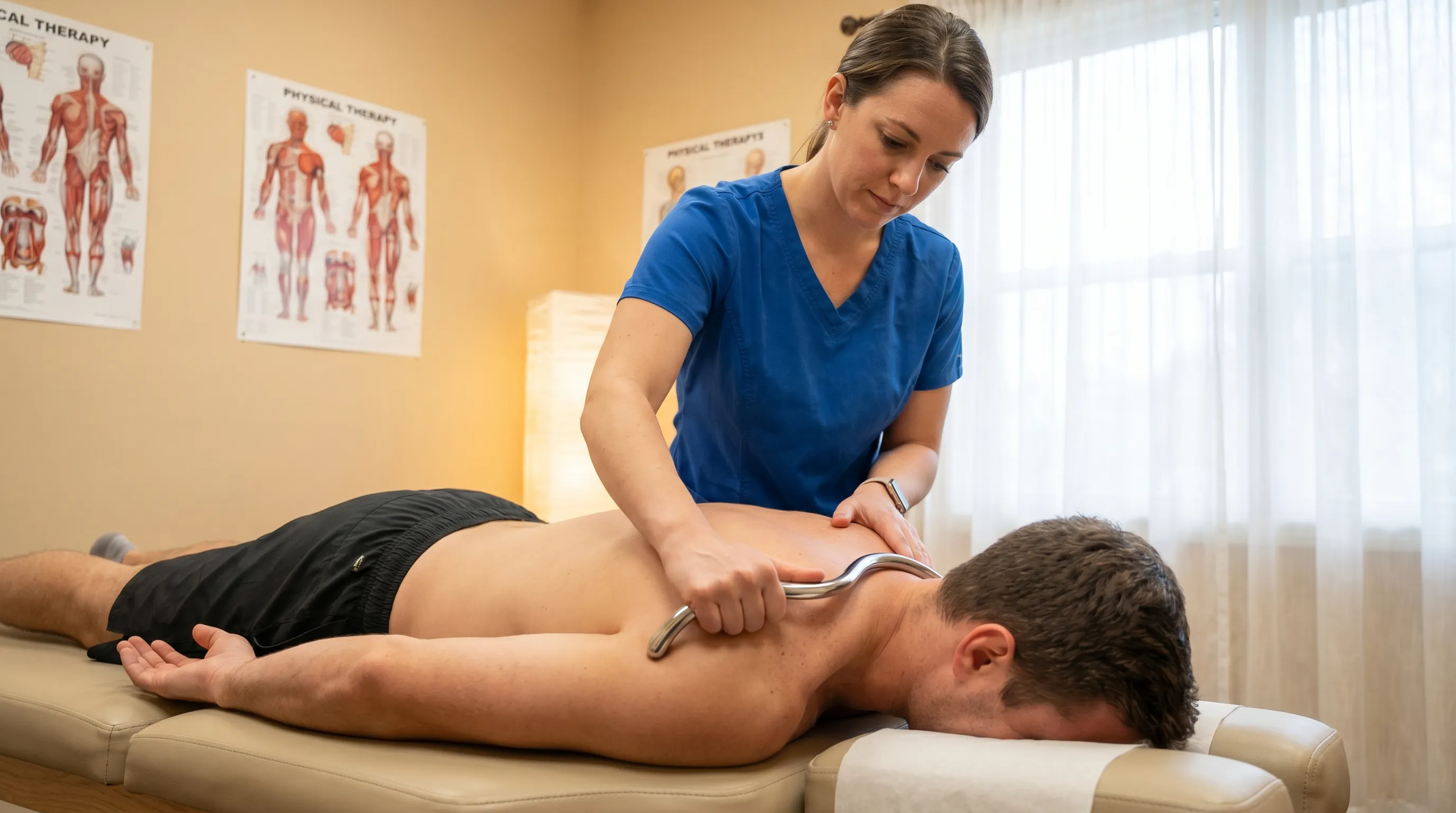
Implementing these techniques consistently yields the best results. Most patients experience noticeable symptom reduction within three to five days of dedicated self-care. Tracking pain levels, mobility improvements, and trigger point responsiveness helps identify which interventions work best for your unique physiology.
Long-Term Prevention and Lifestyle Modifications
Sustaining relief from a knot in back requires addressing the lifestyle factors that contribute to myofascial dysfunction. Prevention is inherently proactive, focusing on movement quality, structural support, and systemic resilience.
Optimizing Your Workspace Ergonomics
Ergonomics is the science of designing environments that fit human capabilities. Poor workstation setup forces the musculoskeletal system into compromised positions for extended periods. Adjusting chair height so that feet rest flat on the floor, positioning the monitor at eye level to maintain neutral neck alignment, and using a chair with adequate lumbar support significantly reduce paraspinal strain. Incorporating a sit-stand desk allows for posture variation throughout the day, preventing static loading. The rule of thumb is to change position every 30 to 60 minutes, a guideline recommended by the CDC to prevent workplace-related musculoskeletal strain. Even simple breaks like standing, walking to retrieve water, or performing two minutes of gentle spinal rotations can be highly effective.
Strength Training and Core Stability
A knot in back often signals weakness in supporting structures. When primary movers are underdeveloped, smaller postural muscles compensate and become overworked. A structured resistance training program focusing on the posterior chain, scapular stabilizers, and deep core musculature creates a resilient foundation. Exercises like glute bridges, deadlifts, rows, and anti-rotation core work build functional strength that distributes loads evenly across the kinetic chain. Research consistently demonstrates that individuals with strong core stability experience up to 50 percent less incidence of chronic back tension and myofascial pain progression.
Stress Management and Mind-Body Practices
Psychological wellness directly impacts muscular health. Chronic tension cannot be resolved with physical interventions alone if the nervous system remains in a prolonged state of hyperarousal. Practices such as progressive muscle relaxation, diaphragmatic breathing, yoga, and meditation lower cortisol levels, improve heart rate variability, and enhance pain modulation pathways. Allocating just 10 to 15 minutes daily to mindful movement or breathwork can significantly reduce baseline muscle tone. Additionally, prioritizing sleep hygiene ensures that growth hormone and tissue repair mechanisms function optimally during deep sleep cycles.

By integrating ergonomic adjustments, strength training, and stress reduction into your daily routine, you create an environment where muscles can function efficiently without compensatory tightening. This holistic approach transforms temporary relief into lasting musculoskeletal health.
When to Seek Professional Medical Attention
While most instances of a knot in back resolve with conservative care, certain symptoms indicate underlying pathology that requires clinical evaluation. Knowing when to transition from self-management to professional care prevents delays in diagnosis as emphasized by the Mayo Clinic and ensures appropriate intervention.
Red Flag Symptoms
Immediate medical attention is warranted if back pain is accompanied by unexplained weight loss, fever, night sweats, or pain that worsens significantly while lying down. Neurological symptoms such as progressive leg weakness, bowel or bladder dysfunction, numbness in the saddle region, or radiating pain past the knee suggest nerve root compression or spinal stenosis. Traumatic onset from a fall, motor vehicle accident, or heavy lifting injury requires imaging to rule out fractures or ligamentous tears. These red flags do not typically stem from benign myofascial trigger points and demand thorough clinical assessment.
Treatment Options from Healthcare Providers
When self-care proves insufficient, healthcare professionals offer advanced interventions. Physical therapists utilize manual therapy, dry needling, ultrasound, and corrective exercise prescriptions to restore tissue function. Chiropractors may perform spinal manipulations to address joint restrictions that contribute to muscular guarding. In persistent cases, physicians may recommend trigger point injections containing lidocaine or corticosteroids to rapidly reduce pain and facilitate rehabilitation. Massage therapists with advanced myofascial training can work deeper into fascial restrictions that respond poorly to foam rolling. A multidisciplinary approach often yields the most comprehensive outcomes, addressing both structural and functional contributors to chronic tension.

Collaborating with licensed practitioners ensures that your treatment plan aligns with evidence-based clinical guidelines. They can identify biomechanical flaws you might overlook and design progressive rehabilitation protocols tailored to your specific movement patterns and lifestyle demands.
Frequently Asked Questions
What exactly causes a knot in the back to form?
A knot in the back forms when a cluster of muscle fibers remains in a contracted state due to repetitive strain, poor posture, dehydration, or psychological stress. This localized contraction restricts blood flow, leading to oxygen deprivation, metabolic waste accumulation, and heightened nerve sensitivity, which creates the characteristic painful lump.
How long does it typically take for a back knot to heal?
Most acute back knots resolve within three to seven days with consistent self-care, gentle stretching, and proper hydration. Chronic knots that have persisted for months may require several weeks of physical therapy, targeted massage, and lifestyle adjustments to fully release and prevent recurrence.
Is it safe to use a massage gun on a knot in my back?
Yes, percussion massage guns are generally safe and effective for treating superficial muscle knots. However, avoid direct pressure on the spine, bony prominences, or areas with numbness and tingling. Use low to medium settings for two to three minutes per area, allowing the tissue to warm gradually before increasing intensity.
Should I apply heat or ice to relieve a back knot?
For chronic, tight muscle knots, heat therapy is typically more beneficial as it increases blood flow, relaxes contracted fibers, and improves tissue elasticity. Ice therapy is better suited for acute injuries with significant swelling or inflammation, usually applied during the first 48 hours following a sudden strain.
Can stress and anxiety actually create knots in the back?
Yes, psychological stress triggers the sympathetic nervous system, causing unconscious muscle guarding and sustained tension in the upper and mid back. Elevated cortisol levels and prolonged fight-or-flight responses lead to chronic myofascial tightness, making stress management a critical component of long-term back knot prevention.
Conclusion
Navigating the discomfort of a knot in back can be frustrating, but understanding the underlying physiology empowers you to take control of your recovery. By addressing poor posture, incorporating targeted stretching and myofascial release, and prioritizing long-term lifestyle modifications, you can effectively break the cycle of muscle tension and restore optimal spinal mobility. Remember that consistency is paramount; sporadic interventions rarely produce lasting results. Listen to your body's signals, respect the healing process, and seek professional guidance when symptoms persist or escalate. With a proactive, evidence-based approach to musculoskeletal health, you can maintain a resilient, pain-free back that supports an active, fulfilling lifestyle for years to come.
How we work
Researched and drafted with AI assistance, then reviewed by a human editor against the cited sources.
This article is general health information, not medical advice. Consult a qualified healthcare professional about your own situation.