Temporary Cap Guide: Purpose, Care Instructions, and What to Expect
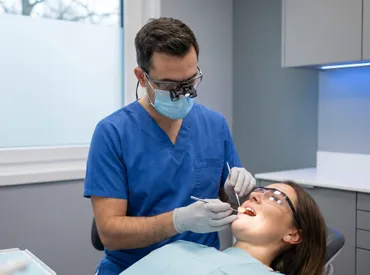
Undergoing restorative dental work can feel overwhelming, especially when you are navigating the multi-week process between tooth preparation and the final placement of a permanent restoration. During this critical interim period, your dentist will place a temporary cap over your prepared tooth to protect it, maintain function, and preserve your smile aesthetics. Understanding the purpose of this provisional restoration, learning how to properly care for it, and recognizing when to seek professional intervention are essential steps in ensuring a smooth and successful dental outcome. A temporary dental cap is far more than a simple placeholder. It serves as a vital biological seal, preventing bacterial contamination, stabilizing your bite, and shielding the vulnerable dentin from thermal sensitivity. Many patients underestimate the importance of this transitional phase, often assuming that a short-term covering requires minimal attention. In reality, the condition of your temporary restoration directly impacts the fit, comfort, and longevity of the permanent crown that follows. This comprehensive guide will walk you through everything you need to know about temporary cap placement, material science, daily maintenance protocols, emergency management, and advanced dental alternatives. By following evidence-based recommendations and adhering to professional dental guidelines, you can confidently navigate the restoration process while minimizing complications and preserving optimal oral health.
What Is a Temporary Cap?
A temporary cap, clinically referred to as a provisional dental crown or temporary crown, is a tooth-shaped covering fabricated to encase a prepared tooth while the final restoration is being manufactured. According to authoritative dental resources, a dental crown fully encases the visible portion of a tooth at and above the gum line to restore shape, size, strength, and appearance (Mayo Clinic). When a tooth requires extensive restorative work, the natural enamel and dentin must be carefully reduced to create adequate space for a permanent crown. Once this preparation is complete, the underlying tooth structure is highly vulnerable to environmental stimuli, bacterial invasion, and mechanical stress. The temporary cap bridges this gap by providing immediate protection and functional restoration.
Free calculatorHeadache Location ChartIdentify headache types by locationOpen the calculatorThe provisional nature of this restoration is intentional. Unlike permanent crowns, which are designed for long-term durability and aesthetic perfection, a temporary cap is optimized for short-term functionality, biocompatibility, and ease of removal. It is typically secured with a weaker, water-soluble dental adhesive that allows your dentist to cleanly detach it without damaging the prepared tooth when your permanent crown arrives. This strategic choice ensures that the final restoration can be precisely evaluated, adjusted, and permanently cemented without compromising the underlying tooth structure.
Understanding the Clinical Purpose
The primary clinical objective of a temporary cap is to maintain the structural and functional integrity of a compromised tooth. After tooth preparation, the remaining dentin lacks the protective enamel barrier, making it susceptible to temperature fluctuations, acidic foods, and mechanical trauma. Without a temporary cap, patients would experience severe sensitivity, increased risk of pulp inflammation, and potential bacterial colonization that could lead to irreversible pulpitis or the need for root canal therapy. Additionally, teeth naturally tend to shift when adjacent contact points are disrupted, which can compromise future restorative outcomes (NIH). The provisional restoration maintains proper spacing and occlusal relationships, preventing neighboring and opposing teeth from drifting into the empty space. This spatial preservation is crucial for ensuring that the permanent crown fits seamlessly without requiring additional orthodontic adjustments or extensive bite modifications.
From a periodontal perspective, the temporary cap also plays a vital role in gum tissue management. The margins of the restoration are carefully contoured to support healthy gingival architecture. When shaped correctly, the provisional crown guides the gum tissue to heal in a natural, aesthetically pleasing contour. This tissue shaping is particularly important for anterior teeth, where the final crown must blend harmoniously with the smile line. By maintaining healthy gum contours during the healing phase, the temporary cap sets the foundation for a lifelike and structurally sound permanent restoration.
Why Are Temporary Caps Necessary?
Temporary caps are prescribed for a wide range of clinical scenarios, each requiring specific protective measures and functional considerations. The decision to place a temporary cap is never arbitrary; it is based on extensive diagnostic evaluation and treatment planning. When a tooth has been structurally compromised by severe decay, trauma, or extensive restorative history, the remaining natural structure is often too weak to withstand normal chewing forces. A temporary cap redistributes these forces, preventing catastrophic fracture while the permanent crown is being fabricated. This is especially critical after root canal therapy, where the tooth becomes more brittle due to the loss of internal vascular supply.
Common Clinical Indications
Temporary crowns are essential in numerous dental procedures. They are routinely used to protect teeth with large fillings when minimal natural tooth structure remains. In these cases, the tooth is at high risk of splitting under masticatory pressure, and a provisional cap provides immediate stabilization. They are also indispensable when placing a dental bridge. The temporary crowns placed on the abutment teeth anchor the pontic in place, restoring function and preventing adjacent teeth from shifting during the laboratory fabrication period. For patients receiving dental implants, temporary caps can be placed on the healing abutments to guide soft tissue healing and maintain aesthetic appearance during the osseointegration phase.
Cosmetic dentistry also relies heavily on temporary caps. Patients undergoing full-mouth reconstructions or smile makeovers often wear provisional restorations that allow both the dentist and the patient to evaluate aesthetics, phonetics, and bite dynamics before committing to the final materials. This trial period ensures that the permanent crowns meet both clinical standards and patient expectations. In pediatric dentistry, temporary caps serve a fundamentally different but equally important purpose. Stainless steel crowns are frequently used on primary molars to protect teeth affected by extensive decay, enamel hypoplasia, or developmental defects. Since children often struggle with optimal oral hygiene routines, these caps provide durable, long-term protection until the primary teeth naturally exfoliate and permanent successors erupt, supporting healthy craniofacial development (CDC).
Materials and Fabrication Process
The composition of a temporary cap is carefully selected based on clinical requirements, patient needs, and laboratory constraints. Unlike permanent restorations, which utilize advanced ceramics, zirconia, or precious metal alloys, temporary caps prioritize ease of manipulation, rapid setting times, and patient comfort. The two most common materials used in clinical practice are acrylic-based resins and pre-fabricated stainless steel.
Acrylic-Based Provisional Materials
Acrylic resins, including bis-acryl composites and poly(methyl methacrylate) formulations, represent the gold standard for chairside temporary caps. These materials are mixed directly in the dental operatory and injected into a prefabricated mold or a custom impression of the patient's natural teeth. Once placed over the prepared tooth, the material undergoes an exothermic polymerization reaction, hardening within minutes. The dentist then carefully trims the excess material, adjusts the occlusion, and polishes the margins to ensure a seamless fit. Acrylic temporary caps offer excellent aesthetics, particularly when shaded to match adjacent teeth, and they can be easily relined or repaired chairside if minor adjustments are needed during the wearing period. However, these materials are inherently porous, making them susceptible to staining from coffee, tea, red wine, and tobacco. They also wear down more quickly than ceramics and are more prone to chipping under heavy bite forces.
Stainless Steel and Alternative Options
Stainless steel caps are prefabricated, ready-to-cement restorations that require minimal chairside adjustment. They are most commonly utilized in pediatric dentistry due to their exceptional durability, resistance to decay, and cost-effectiveness. While stainless steel caps are occasionally used on permanent posterior teeth as a short-term solution, their metallic appearance limits their use in visible areas of the smile. These caps are crimped and cemented directly over the prepared tooth, providing immediate, robust protection. They require no laboratory fabrication, making them ideal for urgent situations or patients with financial constraints. Modern dentistry has also introduced fiber-reinforced composite and thermoplastic materials for temporary restorations, offering improved flexural strength and reduced polymerization shrinkage compared to traditional acrylics.
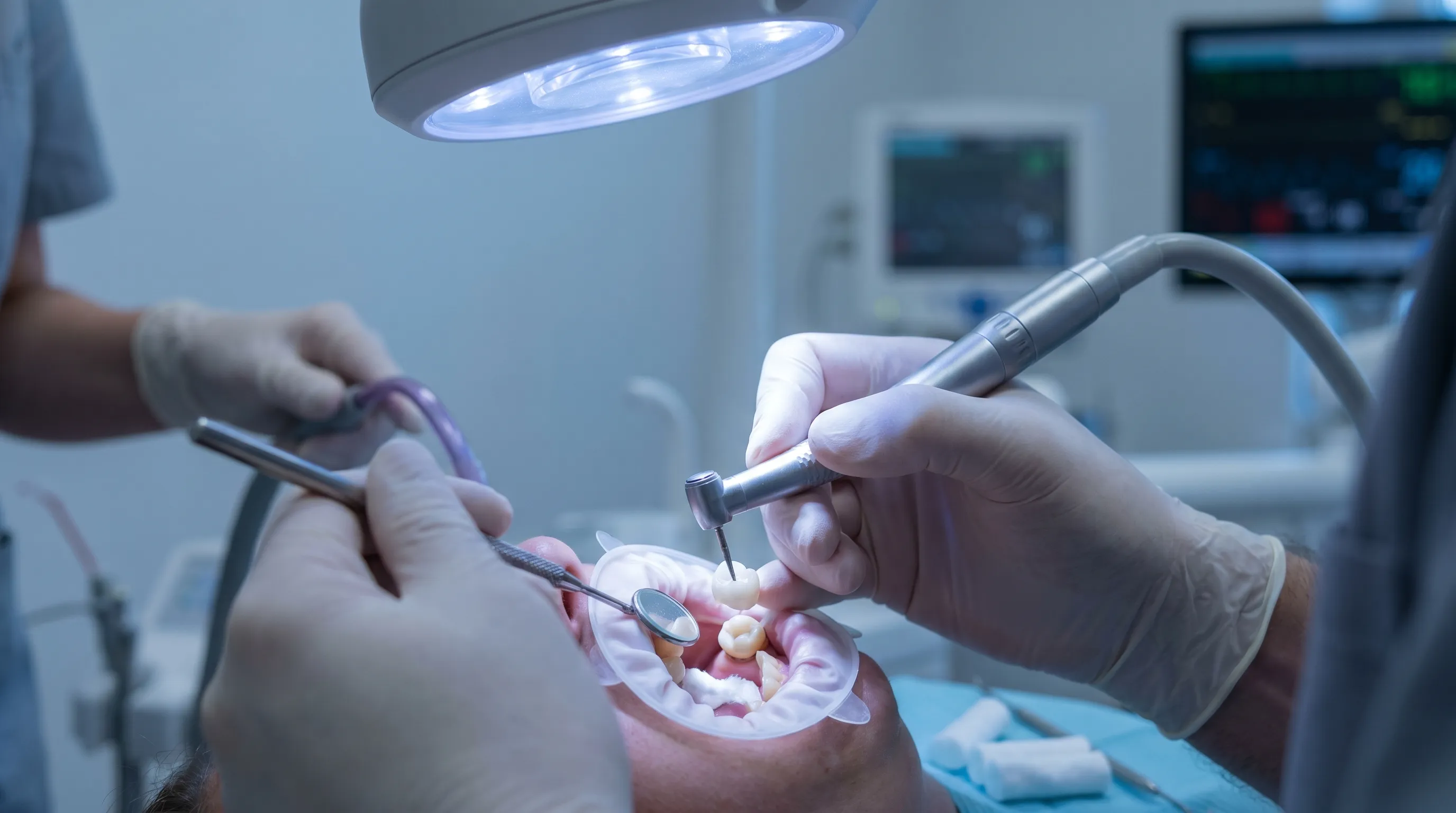
The fabrication process itself is a precise clinical skill. After tooth preparation, the dentist takes an alginate or polyvinyl siloxane impression of the patient's arches. This impression serves as the negative mold for the temporary cap. The acrylic material is dispensed into the mold, allowed to partially set, and then placed over the tooth. Once fully hardened, the dentist removes it, trims the margins with high-speed diamond burs, and checks the bite using articulating paper. The restoration is then polished to a smooth finish to prevent plaque accumulation before being temporarily cemented. This entire process typically takes fifteen to thirty minutes and ensures that the patient leaves the operatory with a functional, comfortable provisional restoration.
Temporary vs. Permanent Dental Crowns
Understanding the fundamental differences between a temporary cap and a permanent crown is crucial for managing patient expectations and ensuring proper care. While both restorations serve the same anatomical function, they differ significantly in material composition, structural integrity, adhesive protocols, and longevity. These distinctions dictate how patients should maintain their temporary restorations and when they should anticipate final placement.
| Feature | Temporary Cap | Permanent Crown |
|---|---|---|
| Primary Material | Acrylic resin, bis-acryl composite, stainless steel | Porcelain, zirconia, gold alloy, PFM, lithium disilicate |
| Cement Type | Weak, water-soluble temporary adhesive (e.g., zinc oxide eugenol) | Strong, permanent dental cement (resin, glass ionomer, or composite) |
| Structural Strength | Moderate; prone to fracture under heavy occlusal force | High; engineered to withstand long-term masticatory stress |
| Aesthetic Precision | Acceptable for short-term; may discolor or show rough margins | Optimal shade matching, translucency, and natural contour |
| Longevity | 2-4 weeks (occasionally longer for complex cases) | 5-15+ years with proper oral hygiene and maintenance |
| Fabrication Location | Chairside in dental operatory | Dental laboratory or CAD/CAM milling unit |
Why Material Differences Matter
The choice of temporary materials prioritizes clinical convenience and tissue compatibility over long-term durability. Acrylic resins are easier to trim, adjust, and remove, which is essential when fine-tuning the final crown preparation or addressing gum tissue changes. Permanent crowns, conversely, are designed for maximum longevity and biomechanical performance. Materials like zirconia and lithium disilicate offer fracture resistance that closely mimics natural enamel, making them ideal for posterior load-bearing zones. All-ceramic and porcelain-fused-to-metal crowns provide superior aesthetic integration, particularly for anterior restorations. The permanent cement used for final crowns forms a chemical and micromechanical bond that resists bacterial leakage, microfractures, and dislodgement over decades of functional use. Recognizing these differences helps patients understand why strict adherence to dietary and hygiene guidelines is mandatory during the temporary phase.
Comprehensive Care Instructions for Your Temporary Cap
The success of your permanent restoration heavily depends on how well you maintain the temporary cap. Because provisional materials are structurally weaker and secured with soluble adhesives, they require modified eating habits, meticulous oral hygiene, and behavioral adjustments. Implementing these care protocols minimizes the risk of dislodgement, fracture, and secondary decay.
Dietary Modifications and Chewing Mechanics
Food selection during the temporary phase is one of the most critical factors in maintaining restoration integrity, as outlined in standard clinical aftercare guidelines (Cleveland Clinic). You must strictly avoid sticky and chewy foods such as caramel, taffy, chewing gum, and certain granola bars. These substances generate substantial tensile forces that can easily peel the temporary cap off the prepared tooth. Hard foods like nuts, ice cubes, hard candies, raw carrots, and crusty bread pose a different risk. Biting into these items can crack the acrylic material or generate enough compressive force to dislodge the provisional restoration. Additionally, extremely hot or cold beverages may increase sensitivity, as temporary materials offer less thermal insulation than permanent ceramics.
To protect your temporary cap, shift your chewing habits to the opposite side of your mouth. This simple behavioral adjustment significantly reduces occlusal stress on the provisional restoration. If you have temporaries on multiple teeth, focus on softer foods like cooked vegetables, yogurt, mashed potatoes, scrambled eggs, and tender proteins until the final crowns are placed. Cutting food into smaller pieces and taking smaller bites further minimizes mechanical strain.
Oral Hygiene Protocols
Maintaining excellent oral hygiene is non-negotiable, but your technique must be adapted for a temporary restoration. Continue brushing twice daily with a soft-bristled toothbrush and fluoride toothpaste. However, avoid aggressive brushing directly over the temporary cap, particularly near the gum margins where the adhesive seal is most vulnerable. Use gentle, circular motions to remove plaque without compromising the cement layer.
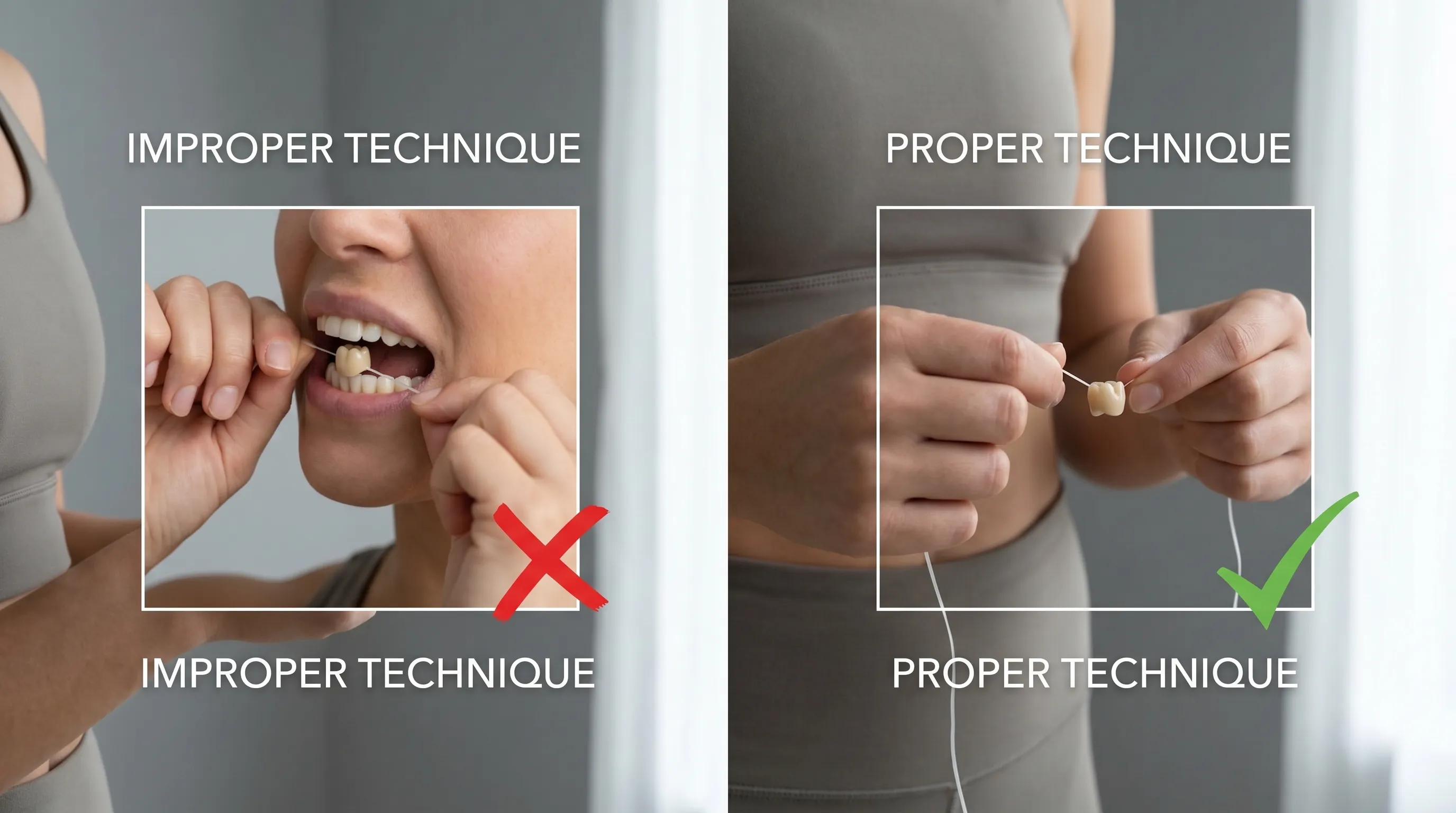
Flossing requires specific technique modification. Traditional vertical floss removal can easily catch the margin of the temporary cap and pull it upward. Instead, insert the floss normally, clean the interdental space, and then slide the floss out horizontally from between the teeth. This technique preserves the adhesive seal while still effectively removing plaque and food debris. Antimicrobial mouthwashes can be beneficial, but avoid products with high alcohol content, as they may weaken the temporary cement over time. Rinsing with warm salt water after meals helps reduce inflammation and keeps the preparation site clean.
Managing Complications: What to Do If It Falls Off or Loosens
Despite careful maintenance, temporary caps occasionally become loose or fall out completely. This situation requires prompt, calm, and evidence-based management to prevent tooth damage and discomfort. Understanding the correct steps to take ensures that your dental team can efficiently re-secure the restoration without complications.
Immediate Steps and Emergency Management
If you notice that your temporary cap has become loose or has fallen out entirely, contact your dental office immediately. Do not delay seeking professional care, as the exposed tooth preparation is highly vulnerable to bacterial contamination, thermal sensitivity, and structural fracture. If the temporary cap falls out intact, retrieve it, rinse it gently with warm water, and store it in a clean container. Avoid scrubbing it aggressively or attempting to permanently glue it back yourself. Over-the-counter temporary dental cements can be used as a short-term emergency measure if you cannot see your dentist immediately, but household adhesives like superglue must never be used (Mayo Clinic). Superglue is toxic, irreversible, and can cause severe chemical burns to the dental pulp and surrounding gingival tissues.
While waiting for your dental appointment, maintain rigorous oral hygiene. Gently brush the prepared tooth to remove food particles, and avoid chewing on that side. If you experience sensitivity or mild discomfort, over-the-counter pain relievers like ibuprofen or acetaminophen can help manage symptoms temporarily. Your dentist will thoroughly clean the prepared tooth, assess the temporary cap for damage, and re-cement it using fresh temporary adhesive. If the provisional restoration has fractured, a new temporary cap will be fabricated chairside. Prompt intervention prevents tooth shifting, gum overgrowth into the preparation space, and the need for costly clinical adjustments before final crown placement.
Special Considerations and Advanced Options
Dental technology and restorative protocols continue to evolve, offering patients alternative pathways that bypass the traditional temporary phase entirely. Additionally, specific patient demographics require tailored approaches to provisional restorations to ensure optimal clinical outcomes.
Pediatric Applications and Developmental Considerations
In children, temporary caps serve fundamentally different purposes than in adult dentistry. Stainless steel crowns are frequently placed on primary molars affected by early childhood caries, enamel defects, or developmental anomalies. These caps protect the primary tooth until it naturally exfoliates, preserving the space required for the permanent successor to erupt correctly. Premature loss of a primary molar can lead to mesial drifting of adjacent teeth, space closure, and complex orthodontic problems later in life. Pediatric temporary caps are cemented with strong, long-lasting adhesives designed to remain intact throughout the remaining lifespan of the primary tooth. Behavior management, pulp vitality considerations, and eruption timing all influence the selection and placement of these provisional restorations.
Same-Day CAD/CAM Crowns: Eliminating the Temporary Phase
Advancements in digital dentistry have introduced same-day crown technology that completely eliminates the need for a traditional temporary cap. Using CAD/CAM (computer-aided design/computer-aided manufacturing) systems, dentists can capture digital impressions, design a custom restoration, and mill it from a solid block of ceramic material within a single appointment. The entire process typically takes two to three hours. Once milled, the permanent crown is stained, glazed, and cemented chairside. This innovative approach reduces patient chair time, eliminates the two-week provisional phase, and removes the dietary and hygiene restrictions associated with temporary caps. However, same-day crowns require specific clinical conditions, adequate digital scanning capabilities, and may not be suitable for complex multi-unit cases or severely damaged abutments that require laboratory-based customization.
Cost Factors and Insurance Navigation
The financial investment for dental crowns varies widely based on geographic location, material selection, laboratory fees, and insurance coverage. Temporary caps are typically included in the overall crown procedure cost and do not incur separate charges. Permanent crown pricing depends heavily on material composition. All-resin crowns are generally the most affordable option but offer limited longevity and higher fracture rates. Porcelain-fused-to-metal and all-ceramic crowns fall in the mid-to-high price range, offering superior aesthetics and durability. Full gold or platinum alloy crowns are typically the most expensive but provide unmatched longevity and biocompatibility, making them ideal for posterior teeth where aesthetics are less critical. Dental insurance often covers a percentage of the crown procedure, usually classified as a major restorative service with a 50% reimbursement rate after deductibles are met. Pre-treatment estimates, flexible spending accounts, and dental membership plans can help patients manage out-of-pocket expenses effectively.
Frequently Asked Questions
How long should a temporary cap stay on?
A temporary cap is designed to function as a short-term protective restoration, typically remaining in place for two to three weeks while your permanent crown is fabricated in a dental laboratory. In complex cases involving gum grafts, orthodontic alignment, or multi-arch restorations, the provisional may remain longer, but it should only be kept under professional supervision to prevent cement degradation, bacterial leakage, or tooth movement.
Can I brush my teeth normally with a temporary cap?
Yes, maintaining excellent oral hygiene is essential, but you must modify your brushing technique. Use a soft-bristled toothbrush and fluoride toothpaste, applying gentle, circular motions around the temporary cap. Avoid aggressive back-and-forth scrubbing near the gum line, as this can compromise the temporary adhesive seal. Continuing regular brushing prevents plaque accumulation, gingival inflammation, and decay at the margins.
What happens if my temporary cap falls out at night?
Contact your dentist immediately to schedule an emergency appointment. Keep the provisional restoration clean, avoid chewing on the exposed tooth, and rinse with warm salt water to soothe sensitivity. Do not use household glues, as they are toxic and can permanently damage the tooth structure. If you have access to over-the-counter temporary dental cement, you may use it as a short-term bridge until professional re-cementation occurs.
Is it normal to feel sensitivity after getting a temporary cap?
Mild sensitivity to hot, cold, or sweet stimuli is common during the first forty-eight to seventy-two hours as the prepared dentin adjusts to the new restoration. The temporary adhesive and acrylic material do not provide the same thermal insulation as natural enamel or permanent ceramics. However, if sensitivity is severe, throbbing, or persists beyond a few days, it may indicate an improperly sealed margin, occlusal interference, or pulp inflammation requiring immediate dental evaluation.
How does a same-day crown eliminate the need for a temporary cap?
Same-day crowns utilize chairside CAD/CAM milling systems to design, fabricate, and cement a permanent ceramic restoration during a single appointment. Because the final crown is ready within hours rather than weeks, there is no need for a provisional temporary cap. This approach eliminates the interim dietary restrictions, hygiene modifications, and potential complications associated with temporary restorations, though it requires specific clinical indications and advanced digital equipment.
Conclusion
A temporary cap is far more than a short-term dental placeholder; it is a carefully engineered provisional restoration that protects your prepared tooth, maintains occlusal stability, and guides healthy tissue healing. By understanding its purpose, material limitations, and care requirements, you can actively participate in your restorative journey and minimize the risk of complications. Strict adherence to dietary modifications, gentle oral hygiene techniques, and prompt professional communication if dislodgement occurs will ensure that your permanent crown fits flawlessly and lasts for years to come. Modern dentistry continues to advance, offering same-day alternatives and improved materials, but the foundational principles of temporary restoration care remain unchanged. Trust your dental team, follow evidence-based aftercare guidelines, and prioritize long-term oral health over short-term convenience. With proper attention and professional oversight, your transition from temporary cap to permanent crown will be seamless, comfortable, and clinically successful (World Health Organization).
How we work
Researched and drafted with AI assistance, then reviewed by a human editor against the cited sources.
This article is general health information, not medical advice. Consult a qualified healthcare professional about your own situation.