How to Add Rosemary Oil to Your Shampoo for Hair Growth

Key points
- The Batch Method: Add 10-15 drops of rosemary oil for every 8 ounces (240 ml) of shampoo directly into the bottle. Shake vigorously before each use to ensure the oil is well-distributed. This method works best with gentle, sulfate-free shampoos, as harsh surfactants can strip the oil before it contacts the scalp. Use glass bottles when possible, as essential oils can degrade certain plastics over time, potentially leaching unwanted compounds into your formulation.
- The Per-Use Method: Squeeze your usual amount of shampoo into your palm. Add 2-3 drops of rosemary oil and mix them together before applying. This method allows for more control and freshness. It is particularly useful for individuals with sensitive skin who need to adjust concentration based on daily scalp condition or for those who rotate between different essential oils depending on seasonal needs.
Integrating natural remedies into your hair care routine can yield impressive benefits, particularly as more individuals move away from synthetic formulations and toward botanically derived dermatological solutions. One of the most popular and extensively researched options is adding rosemary oil to shampoo to promote stronger, fuller hair. The modern consumer is increasingly aware of the potential side effects associated with harsh chemical surfactants, parabens, and synthetic fragrances, prompting a shift toward cleaner, plant-based alternatives. Rosemary oil, in particular, has transcended its traditional role in culinary and household applications to become a staple in evidence-based natural hair care. We'll explore why this essential oil is creating a buzz, how to use it safely, what scientific literature reveals about its efficacy, and how to properly formulate your routine for optimal scalp and hair health.
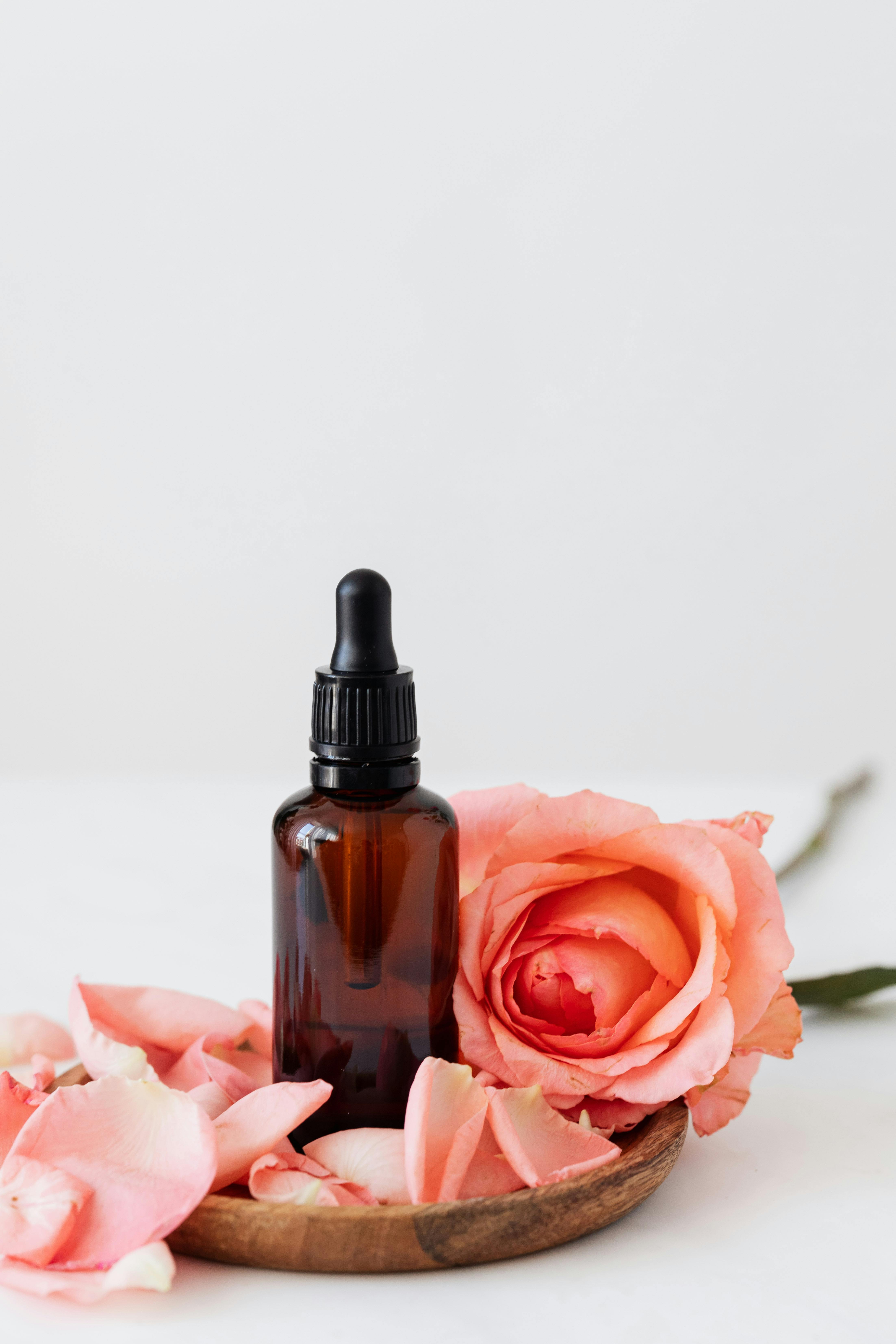
What Is Rosemary Oil?
Rosemary essential oil is a concentrated liquid extracted from the flowering tops of the Salvia rosmarinus plant (formerly classified as Rosmarinus officinalis). Native to the Mediterranean region, this hardy, evergreen shrub has thrived in arid, coastal climates for millennia. The oil is typically obtained through steam distillation, a process that uses heat and water vapor to rupture the plant's oil glands and capture the volatile aromatic compounds. More advanced extraction methods, such as supercritical CO2 extraction, can yield a thicker, more complete spectrum of plant waxes and resins, though steam-distilled oil remains the gold standard for topical hair and scalp applications due to its lighter viscosity and higher concentration of active terpenes.
Free calculatorSun Protection GuideSPF guide and sun protection recommendationsOpen the calculatorFor centuries, this fragrant herb has been revered in natural medicine to improve memory, soothe muscle aches, and support hair growth. Ancient Greek scholars wore rosemary wreaths during examinations to enhance cognitive function, while traditional European herbalists prepared it as a topical wash for wounds and inflammatory skin conditions. The oil contains potent compounds like carnosic acid, camphor, rosmarinic acid, 1,8-cineole, alpha-pinene, and verbenone. Each of these phytochemicals contributes to its therapeutic properties: 1,8-cineole offers antimicrobial and expectorant qualities, camphor provides a mild counter-irritant and stimulating effect, while carnosic acid and rosmarinic acid act as powerful polyphenolic antioxidants. The synergistic interaction between these constituents is what makes rosemary oil uniquely suited for dermatological and trichological use.
While its invigorating scent is popular in aromatherapy for boosting alertness, its hair care benefits have recently taken the spotlight. The global essential oil market has seen exponential growth, driven by clinical curiosity and consumer demand for transparent, naturally derived actives. Let's dive into the evidence behind this trend, examining how modern dermatology views rosemary oil and what realistic outcomes you can anticipate.
Benefits of Adding Rosemary Oil to Shampoo
Using rosemary oil in your hair care isn't just a folk remedy; a growing body of evidence supports its benefits for scalp and hair health. When properly diluted and applied consistently, it interacts with the scalp's microenvironment to address multiple contributors to thinning, breakage, and scalp imbalance. Understanding the physiological mechanisms behind its efficacy helps demystify the trend and sets realistic expectations for long-term use.
Stimulates Hair Growth
Rosemary oil is believed to improve circulation to the scalp, which can stimulate hair follicles. Hair growth is a highly metabolic process that relies on adequate oxygenation and nutrient delivery via the perifollicular capillary network. A landmark 2015 study found that rosemary oil was as effective as 2% minoxidil (the active ingredient in Rogaine) for treating androgenetic alopecia after six months, but with fewer side effects like scalp itching. This suggests it's a viable natural alternative for those with hair thinning. The proposed mechanism involves mild vasodilation and upregulation of vascular endothelial growth factor (VEGF), which encourages the formation of new micro-vessels around dormant follicles. Additionally, by extending the anagen (growth) phase of the hair cycle, rosemary oil may help increase hair density and strand thickness over time. Unlike synthetic growth stimulants, botanical oils tend to work gradually by supporting the scalp's innate regenerative pathways rather than forcing aggressive pharmacological responses.
Strengthens Hair and Reduces Breakage
The oil is rich in antioxidants that help protect hair follicles from damage caused by free radicals. Hair shafts are composed primarily of keratin, a structural protein vulnerable to environmental stressors like UV radiation, heat styling, chemical processing, and pollution. Oxidative stress weakens disulfide bonds within the keratin matrix, leading to split ends, brittleness, and increased shedding. By scavenging reactive oxygen species and reducing lipid peroxidation on the scalp and hair surface, rosemary oil supports stronger hair shafts, leading to less breakage and shedding over time. When applied through a shampoo vehicle, the oil can coat the cuticle layer temporarily, smoothing rough edges and improving manageability. For individuals with chemically treated or heat-damaged hair, incorporating antioxidant-rich essential oils can serve as a protective barrier that preserves structural integrity between professional treatments.
Improves Scalp Health and Reduces Dandruff
Thanks to its antimicrobial and anti-inflammatory properties, rosemary oil helps maintain a healthy scalp environment. The scalp microbiome is a delicate ecosystem of bacteria and fungi that, when disrupted, can lead to conditions like seborrheic dermatitis, folliculitis, and dandruff. Rosemary oil has demonstrated broad-spectrum activity against common scalp pathogens, including Malassezia species, which are lipid-dependent yeasts implicated in flaking and itching. By inhibiting fungal overgrowth and modulating the release of pro-inflammatory cytokines, it calms irritation, combats the yeast that contributes to dandruff, and balances oil production, creating the ideal foundation for healthy hair growth. Furthermore, its mild astringent quality helps regulate sebum excretion, making it particularly beneficial for those with oily scalps or product buildup. A balanced scalp pH (typically between 4.5 and 5.5) is crucial for maintaining the acid mantle, and rosemary-infused formulations can help restore this equilibrium without stripping natural lipids.
May Block DHT
Some research suggests that carnosic acid, a component of rosemary oil, may help inhibit the activity of dihydrotestosterone (DHT) on hair follicles. DHT is a hormone that plays a major role in pattern hair loss in both men and women. It binds to androgen receptors in genetically susceptible follicles, triggering miniaturization and shortening the hair growth cycle. While more human studies are needed to fully map the biochemical pathway, in vitro and animal models indicate that certain diterpenes in rosemary may competitively inhibit 5-alpha-reductase, the enzyme responsible for converting testosterone to DHT. This potential mechanism adds to its appeal as a natural hair loss remedy, particularly when used alongside other botanical DHT blockers like pumpkin seed oil, green tea extract, or saw palmetto. It is important to note, however, that topical application primarily affects local follicular DHT activity and does not alter systemic hormone levels, making it a safer long-term option for individuals who cannot tolerate pharmaceutical DHT inhibitors.
Expert Opinion: According to the Cleveland Clinic, dermatologists recognize rosemary oil's potential to improve circulation and its anti-inflammatory effects as beneficial for the scalp, making it a popular recommendation for those seeking natural hair growth support. Medical professionals consistently emphasize that while essential oils are not standalone cures for advanced alopecia, they serve as excellent adjunctive therapies that enhance overall scalp resilience and create a favorable environment for follicular function.
How to Use Rosemary Oil in Your Shampoo: A Step-by-Step Guide
Mixing rosemary oil into your shampoo is simple, but proper dilution is crucial for safety and effectiveness. Essential oils are lipophilic, meaning they do not naturally dissolve in water-based formulations. Shampoos contain emulsifiers and surfactants that can help disperse small amounts of oil, but careful formulation ensures even distribution and optimal skin tolerance. Below is a detailed, step-by-step protocol to maximize efficacy while minimizing irritation risk.
Choose a High-Quality Oil: Select a 100% pure rosemary essential oil from a reputable brand. Avoid synthetic "fragrance oils," as they lack therapeutic benefits and often contain phthalates or petroleum derivatives that can irritate sensitive scalps. Look for products labeled with the botanical name (Salvia rosmarinus), extraction method (steam-distilled), and batch-specific GC/MS (Gas Chromatography-Mass Spectrometry) reports that verify purity and chemical composition. Oils from Mediterranean-growing regions (Spain, France, Morocco) typically exhibit higher concentrations of therapeutic terpenes.
Decide on Your Mixing Method:
- The Batch Method: Add 10-15 drops of rosemary oil for every 8 ounces (240 ml) of shampoo directly into the bottle. Shake vigorously before each use to ensure the oil is well-distributed. This method works best with gentle, sulfate-free shampoos, as harsh surfactants can strip the oil before it contacts the scalp. Use glass bottles when possible, as essential oils can degrade certain plastics over time, potentially leaching unwanted compounds into your formulation.
- The Per-Use Method: Squeeze your usual amount of shampoo into your palm. Add 2-3 drops of rosemary oil and mix them together before applying. This method allows for more control and freshness. It is particularly useful for individuals with sensitive skin who need to adjust concentration based on daily scalp condition or for those who rotate between different essential oils depending on seasonal needs.
Massage Your Scalp: Work the infused shampoo into your scalp using your fingertips in gentle, circular motions. Spend at least one to two minutes on the massage to help stimulate blood flow and ensure the oil reaches the hair follicles. Use the pads of your fingers rather than your nails to prevent micro-tears in the epidermis, which can lead to secondary infections or follicular trauma. Divide your scalp into quadrants and work systematically from the nape to the hairline to ensure complete coverage. For enhanced absorption, consider using a soft silicone scalp brush, which can gently exfoliate dead skin cells while massaging the formulation deeper into the stratum corneum.
Let It Sit (Optional): For maximum benefit, allow the shampoo to sit on your scalp for 2-5 minutes before rinsing. This contact time is often overlooked but is critical for topical actives to penetrate the follicular infundibulum and interact with dermal papilla cells. During this waiting period, avoid vigorous scratching or piling hair aggressively on top of your head, as wet hair is more elastic and prone to mechanical damage. If your scalp tolerates it well, you can gradually extend the dwell time, but always monitor for signs of dryness or sensitization.
Rinse Thoroughly: Rinse your hair and scalp completely with lukewarm water. Follow with your regular conditioner, applying it primarily from mid-length to ends rather than the roots to prevent follicle clogging. Some people also add a drop of rosemary oil to their conditioner for added benefits. When rinsing, use water that is comfortably warm; excessively hot water can strip natural sebum, exacerbate scalp dryness, and increase cuticle porosity, while cold water may not fully emulsify and remove surfactant residues.
Be Consistent: Natural remedies require consistency. Use your rosemary-infused shampoo with every wash, or at least 2-3 times per week, for a minimum of 3-6 months to see noticeable results. Hair cycles operate on a biological timeline, with anagen phases lasting 2-7 years depending on genetics and health. Tracking progress through monthly photographs, shedding logs, and scalp assessments will help you objectively measure changes. Adjust frequency if you notice increased dryness or oiliness, and always pair topical treatments with a balanced diet rich in biotin, zinc, iron, and essential fatty acids to support follicular metabolism from within.
Safety Precautions and Tips
Essential oils are potent. Follow these safety guidelines to avoid adverse reactions. Because rosemary oil contains biologically active terpenes and phenolic compounds, it must be treated with the same respect as any topical therapeutic agent. Proper usage protocols prevent sensitization, chemical burns, and unintended systemic interactions.
- Always Dilute: Never apply undiluted rosemary essential oil directly to your scalp, as it can cause irritation or burns. The recommended topical dilution for scalp application is 1% to 3%. For an average adult, this translates to roughly 6-18 drops per ounce of carrier product or base shampoo. Exceeding this concentration increases the risk of disrupting the skin barrier, triggering contact dermatitis, or causing paradoxical hair shedding due to inflammatory stress.
- Perform a Patch Test: Before the first use, apply a small amount of diluted rosemary oil (1 drop in a teaspoon of a carrier oil like jojoba or coconut) to your inner arm or behind the ear. Wait 24 hours to check for any allergic reaction. If redness, swelling, itching, or a rash develops, discontinue use immediately. Patch testing is especially critical for individuals with a history of eczema, psoriasis, or seasonal allergies, as compromised skin barriers absorb compounds more rapidly.
- Avoid Contact with Eyes: If the shampoo gets in your eyes, rinse them immediately and thoroughly with water. Essential oils are highly concentrated and can cause corneal irritation or temporary stinging. Keep a small bottle of carrier oil (such as olive or almond) nearby; if oil enters the eye, rinsing with water alone may not fully remove it. Applying carrier oil first helps dissolve the essential oil, after which gentle flushing with water is more effective.
- Consult a Doctor: If you are pregnant, nursing, or have a medical condition like epilepsy or high blood pressure, consult your healthcare provider before using essential oils. Rosemary contains camphor and 1,8-cineole, which in high doses can theoretically stimulate the nervous system or interact with antihypertensive and anticoagulant medications. While topical shampoo use involves minimal systemic absorption, medical professionals recommend erring on the side of caution during gestation, lactation, or when managing chronic health conditions.
- Listen to Your Scalp: A gentle tingling sensation can be normal, but if you experience burning, intense itching, or redness, rinse the product off and discontinue use or try a lower concentration. Scalp sensitivity can fluctuate due to hormonal cycles, stress levels, seasonal changes, or concurrent use of retinoids, exfoliating acids, or prescription topicals. Introduce rosemary oil gradually, starting with once-weekly applications and monitoring your skin's tolerance before increasing frequency. Store all essential oils in dark glass containers, tightly sealed, in a cool, dry place away from direct sunlight to prevent oxidation, which can turn therapeutic compounds into skin sensitizers over time.
Other Ways to Use Rosemary for Hair
Shampoo isn't the only way to incorporate this powerful herb into your routine. Diversifying your application methods allows you to target different layers of the hair structure and scalp environment, maximizing cumulative benefits while preventing product buildup or formulation fatigue.
- DIY Scalp Oil Treatment: Mix 3-5 drops of rosemary essential oil with a tablespoon of a carrier oil (like jojoba, argan, or coconut oil). Massage it into your scalp and let it sit for at least 30 minutes before shampooing. This can be done 1-2 times a week for a more intensive treatment. Carrier oils serve as occlusive agents that prevent transepidermal water loss while facilitating deeper penetration of the essential oil into the follicular ostia. Jojoba closely mimics human sebum, making it ideal for balancing oil production, while argan provides high concentrations of vitamin E and squalene to repair brittle strands. Always wash out pre-shampoo treatments thoroughly to avoid pore congestion, particularly if you have fine hair or a naturally oily scalp.
- Rosemary Water Rinse: Boil a few sprigs of fresh or dried rosemary in water for 15 minutes. Let it cool completely, strain it, and use it as a final hair rinse after shampooing and conditioning. Store it in the fridge for up to a week. Rosemary water is a gentler, water-soluble alternative that delivers polyphenols, tannins, and mild astringents without the potency of steam-distilled oil. It works exceptionally well as a post-wash treatment to seal cuticles, enhance shine, and provide ongoing antimicrobial protection. For enhanced preservation, add a teaspoon of apple cider vinegar to adjust pH and inhibit microbial growth, or consider freezing the infusion in ice cube trays for extended shelf life.
- Ready-Made Products: Many brands now offer hair care products formulated with rosemary oil. Look for shampoos, conditioners, and serums where rosemary oil or extract is listed high on the ingredient list. Commercial formulations benefit from professional stabilization, ensuring consistent dosing and shelf stability. When evaluating over-the-counter products, check for standardized extracts (e.g., rosmarinic acid percentage), avoid products where "fragrance/parfum" appears before the active ingredient, and opt for packaging that protects light-sensitive compounds. Leave-in serums and scalp toners containing rosemary can be applied to towel-dried hair for all-day follicular support without weighing down the hair shaft.
Conclusion
Adding rosemary oil to your shampoo is a simple, cost-effective, and natural way to support scalp health and encourage stronger, thicker hair growth. Backed by both traditional use and modern science, it stands out as a promising botanical remedy that aligns with the growing demand for transparent, plant-forward dermatological care. While it may not replace pharmaceutical interventions in cases of severe alopecia areata or advanced hormonal hair loss, its multifaceted action on circulation, oxidative stress, microbial balance, and follicular miniaturization makes it a valuable component of a comprehensive hair wellness protocol.
Remember that consistency is key, and results take time. Hair biology operates on a delayed response timeline; structural changes in the follicle require sustained exposure to active compounds before visible improvements manifest on the surface. While not a miracle cure for all types of hair loss, rosemary oil is a powerful ally in a holistic hair care routine. Pair it with nutrient-dense nutrition, stress management, gentle mechanical handling, and professional trichological evaluations when necessary. When used safely, it can help you cultivate a healthier scalp and, in turn, healthier hair that reflects both vitality and resilience.
References and Further Reading
- Panahi, Y., Taghizadeh, M., Marzony, E. T., & Sahebkar, A. (2015). Rosemary oil vs minoxidil 2% for the treatment of androgenetic alopecia: a randomized comparative trial. SKINmed, 13(1), 15–21. PubMed
- Hay, I. C., Jamieson, M., & Ormerod, A. D. (1998). Randomized trial of aromatherapy. Successful treatment for alopecia areata. Archives of dermatology, 134(11), 1349–1352. ResearchGate
- "Rosemary Oil for Hair." Cleveland Clinic. (2023). health.clevelandclinic.org/rosemary-oil-for-hair
- "Rosemary Oil for Hair Growth: Does It Work?" Medical News Today. medicalnewstoday.com/articles/319444
Frequently Asked Questions
Can I use rosemary oil on color-treated or chemically processed hair?
Yes, rosemary oil is generally safe and beneficial for color-treated hair, provided it is properly diluted. The antioxidants in the oil can actually help mitigate oxidative damage caused by chemical dyes and heat styling, potentially extending color vibrancy and reducing dryness. However, always perform a patch test, as compromised cuticles from chemical processing may increase absorption rates. Use the per-use dilution method (2-3 drops per wash) and ensure thorough rinsing to prevent any residual oil from interacting with future chemical treatments or causing buildup on the shaft.
How long does it realistically take to see visible results from rosemary oil?
Trichological studies and clinical experience indicate that visible improvements typically emerge after 3 to 6 months of consistent use. Hair follicles operate on a biological growth cycle that lasts several years, so topical actives must influence the dermal papilla and extend the anagen phase before changes become apparent on the scalp surface. Initial signs of efficacy often include reduced daily shedding, improved scalp comfort, and increased shine within the first 4-8 weeks. Strand thickening and noticeable density improvements usually follow after sustained, regular application beyond the 3-month mark.
Is it safe to mix rosemary oil with other essential oils for hair growth?
Yes, combining rosemary oil with complementary botanicals like peppermint, lavender, tea tree, or cedarwood can create synergistic formulations that target multiple pathways of hair thinning. Peppermint oil has demonstrated vasodilatory properties similar to rosemary, while tea tree offers enhanced antifungal activity. When blending, ensure the total essential oil concentration remains within the 1-3% safety range. For example, in 8 oz of shampoo, limit the combined total to 12-15 drops across all selected oils. Always verify compatibility with your carrier base and avoid mixing more than three essential oils at once to minimize sensitization risk.
Can rosemary oil help with postpartum or stress-related hair shedding?
Postpartum telogen effluvium and stress-induced shedding are typically temporary conditions triggered by hormonal fluctuations or elevated cortisol levels. While rosemary oil will not halt the natural telogen phase, it can support scalp circulation, reduce inflammation, and provide a nurturing topical environment that encourages healthy regrowth once shedding subsides. It is crucial to manage expectations during these periods, as the primary driver is internal rather than external. Pairing rosemary treatments with stress reduction techniques, adequate sleep, and nutritional optimization (particularly iron, B vitamins, and protein) yields the best recovery outcomes.
What should I do if I accidentally apply undiluted rosemary oil to my scalp?
Immediately remove the undiluted oil by blotting the area with a paper towel to absorb excess product, then flush the scalp generously with a carrier oil (such as olive, coconut, or jojoba) to dilute the essential oil and prevent further penetration. Follow with a gentle, sulfate-free shampoo and cool water to soothe any potential irritation. Monitor the area for 24-48 hours for signs of contact dermatitis, including redness, blistering, or persistent itching. If severe irritation develops, apply a fragrance-free moisturizer or hydrocortisone cream and consult a dermatologist. Never attempt to wash off undiluted essential oils with water alone, as water and oil do not mix and this can inadvertently spread the concentrated product across a larger surface area.
How we work
Researched and drafted with AI assistance, then reviewed by a human editor against the cited sources.
This article is general health information, not medical advice. Consult a qualified healthcare professional about your own situation.