Can You Put Contact Solution in Your Eyes? Safety Guide & What to Know
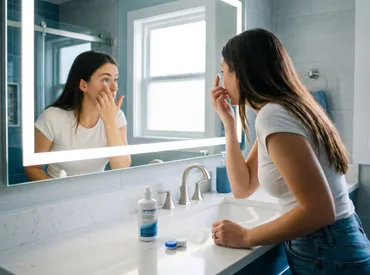
When managing vision correction, the line between proper care and ocular harm is often defined by a single bottle on your bathroom counter. Contact lens wearers frequently find themselves asking a seemingly straightforward but medically complex question: can you put contact solution in your eyes? The confusion is entirely understandable given the wide array of ocular care products available today. From multipurpose disinfecting formulas to sterile saline rinses and specialized lubricating drops, the market is saturated with options that appear similar but serve fundamentally different physiological purposes. Misunderstanding these distinctions can lead to uncomfortable irritation, compromised tear film stability, and in severe cases, sight-threatening corneal complications. For evidence-based guidelines on safe lens wear and hygiene protocols, consult the CDC's Healthy Contact Lens Practices. This comprehensive guide will dissect the science behind lens solutions, clarify safe application protocols, and provide evidence-based recommendations to protect your ocular surface. By understanding the chemical composition, regulatory standards, and clinical best practices, you can confidently manage your contact lens routine while prioritizing long-term eye health and visual comfort. Whether you are a first-time wearer or a seasoned contact lens user, knowing exactly how each formulation interacts with the corneal epithelium and conjunctival mucosa is essential for maintaining optimal vision and preventing avoidable injuries.
Understanding Contact Lens Solutions and Their Chemical Composition
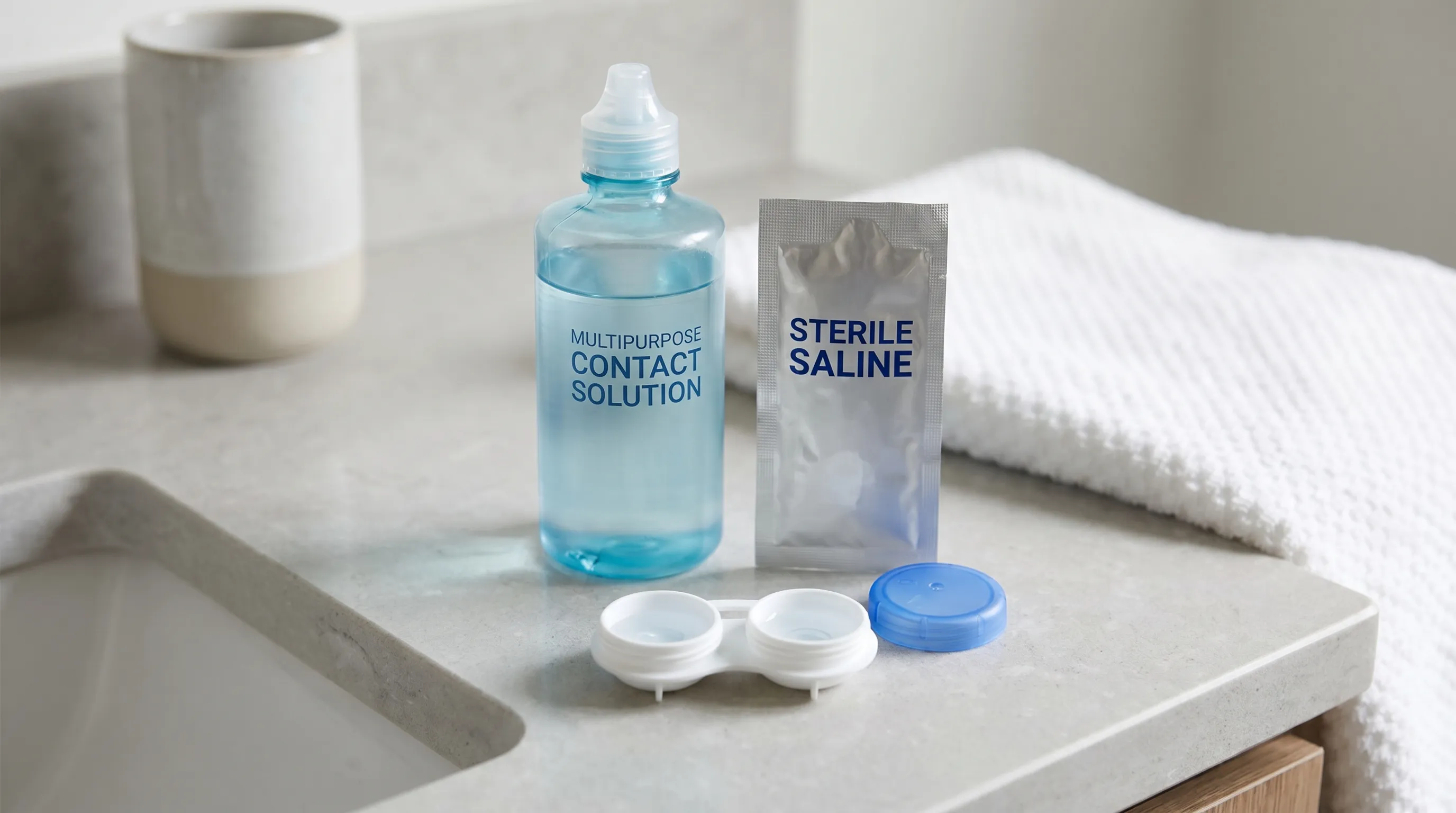
To properly address whether you can use contact solution as an in-eye treatment, it is crucial to first understand what goes into these formulations and how they are engineered to interact with both synthetic polymer lenses and biological ocular tissue. Contact lens solutions are highly specialized medical devices regulated by the FDA, each designed with a precise balance of surfactants, chelating agents, buffering systems, and antimicrobial preservatives. The primary goal of any cleaning solution is to remove lipid deposits, protein buildup, and environmental particulates while simultaneously maintaining sterility and preventing microbial colonization on the lens surface. Unlike artificial tears, which are optimized to mimic the human tear film's osmolarity, pH, and viscosity, disinfecting solutions prioritize pathogen elimination and material compatibility. The National Institutes of Health (NIH) emphasizes that selecting FDA-approved, properly indicated solutions is critical for maintaining corneal health. This fundamental difference in purpose dictates every aspect of their chemical architecture.
Free calculatorLab Values Reference ChartComplete reference chart for medical lab valuesOpen the calculatorThe osmolarity of commercial lens solutions typically ranges between 280 and 310 mOsm/kg, closely matching physiological tears to prevent cellular dehydration. However, the presence of surfactants like poloxamer 407 or poloxamine 1304 allows these solutions to break down oily tear film residues that accumulate on silicone hydrogel materials. While beneficial during overnight soaking, these compounds can disrupt the lipid layer of the natural tear film if introduced directly onto the cornea. Furthermore, chelating agents such as edetate disodium (EDTA) are incorporated to bind calcium and magnesium ions, which helps prevent deposit formation and enhances preservative efficacy. When applied directly to the eye, these chelators can temporarily strip essential electrolytes from the corneal epithelium, leading to transient stinging or blurred vision. Understanding these chemical interactions provides the foundation for answering the persistent question: can you put contact solution in your eyes safely without compromising tissue integrity?
Multi-Purpose Solutions vs. Hydrogen Peroxide Systems
Multi-purpose solutions (MPS) are the most widely used category globally, offering convenience through a single-step clean, rinse, and disinfect cycle. They typically rely on biguanide preservatives like polyhexamethylene biguanide (PHMB) or myristamidopropyl dimethylamine to combat bacteria, fungi, and Acanthamoeba cysts. While highly effective, these antimicrobials are cytotoxic at elevated concentrations and require careful dosing to balance disinfection with corneal compatibility. Clinical research reviewed by the Mayo Clinic indicates that prolonged direct exposure to MPS can alter goblet cell density and reduce mucin production, ultimately contributing to contact lens-associated dry eye. When evaluating can you put contact solution in your eyes without adverse effects, the presence of these potent biocides becomes a primary concern for ocular surface homeostasis.
In contrast, hydrogen peroxide systems operate through an oxidative disinfection mechanism that generates free radicals capable of rapidly destroying microbial cell walls. These systems typically contain 3% hydrogen peroxide, a concentration that is highly effective against pathogens but equally damaging to human tissue. To render them safe for ocular use, manufacturers pair these solutions with specialized neutralization cases containing platinum discs or catalytic tablets. The neutralization process requires a strict 6 to 8-hour soaking period, during which the active peroxide breaks down into sterile water and oxygen. If a patient attempts to insert lenses prematurely or uses the unneutralized solution as a rinse, the resulting chemical keratopathy can cause significant epithelial sloughing. This stark difference in formulation explains why the question of can you put contact solution in your eyes yields a definitive negative for peroxide-based systems, as the risk of irreversible stromal injury far outweighs any perceived convenience.
Saline vs. Rinsing Solutions: Clarifying the Terminology
Sterile saline is frequently misunderstood as a universal eye treatment, but its role in contact lens care is strictly limited to rinsing away chemical residues before lens insertion. Composed of 0.9% sodium chloride in purified water, saline is isotonic to human tears but lacks the buffering capacity, viscosity enhancers, and lubricating polymers required for sustained ocular comfort. Unlike preservative-free artificial tears that incorporate carboxymethylcellulose, hyaluronic acid, or hydroxypropyl guar to stabilize the tear film, saline evaporates rapidly upon application. This rapid evaporation can paradoxically exacerbate dryness by pulling moisture away from the ocular surface through osmotic gradients.
When patients ask whether can you put contact solution in your eyes during lens wear, many are actually referring to saline as a quick refresh. However, using saline as a lubricant provides only momentary relief and fails to address underlying meibomian gland dysfunction or evaporative dry eye. Furthermore, once opened, saline vials are susceptible to contamination if not used within 12 to 24 hours, increasing the risk of bacterial introduction. Proper education regarding the distinction between disinfecting solutions, rinsing saline, and therapeutic lubricants is essential for preventing misuse and ensuring patients select products that align with their specific physiological needs.
Can You Put Contact Solution in Your Eyes? The Medical Reality
Addressing the core inquiry directly, the medical consensus is clear: standard multipurpose and hydrogen peroxide contact solutions should never be used as in-eye lubricants or therapeutic drops. While they undergo rigorous sterilization and are designed for ocular-adjacent use, their chemical profiles are optimized for material maintenance rather than tissue hydration. The cornea is an avascular, highly innervated structure that relies on a stable tear film for oxygen transmission, nutrient exchange, and optical clarity. Introducing solutions engineered with surfactants, antimicrobials, and chelating agents directly onto this delicate tissue can trigger a cascade of physiological responses ranging from mild discomfort to clinically significant epithelial compromise.
Clinical ophthalmologists consistently emphasize that the tear film consists of three distinct layers: the mucin layer that anchors moisture to the corneal surface, the aqueous layer that provides nutrients and antimicrobial proteins, and the lipid layer that prevents rapid evaporation. Contact lens solutions lack the biochemical complexity to support this triad. According to NEI/NIH research on ocular surface disease, disrupting this delicate balance can lead to chronic inflammation and compromised epithelial integrity. Instead, they often contain preservatives like benzalkonium chloride derivatives or polyquaternium-1, which can accumulate in the conjunctival fornices with repeated use. Chronic exposure leads to toxic keratitis, characterized by punctate epithelial erosions, hyperemia, and heightened neural sensitivity. When patients repeatedly ask can you put contact solution in your eyes for dry eye relief, the answer must be grounded in these histological realities rather than anecdotal convenience.
Immediate Physiological Responses to Direct Application
When multipurpose solution contacts the cornea, the initial response is mediated by transient receptor potential (TRP) channels, particularly TRPV1, which detects chemical irritants and changes in osmolarity. Patients typically experience immediate stinging, reflex tearing, and temporary visual distortion due to altered corneal curvature and tear film instability. In healthy individuals with robust epithelial barriers, these symptoms resolve within minutes as the natural tear film flushes the irritants. However, in patients with preexisting dry eye, meibomian gland dysfunction, or compromised barrier integrity, the recovery timeline extends significantly.
Research published in the journal Cornea demonstrates that repeated exposure to preservative-containing solutions reduces goblet cell density by up to 30% over six months, directly impairing mucin secretion and accelerating evaporative dry eye. This physiological degradation explains why individuals who habitually use cleaning solutions as drops often report worsening discomfort despite initial temporary relief. Understanding this mechanism reinforces why the medical community maintains a firm stance against in-eye application of lens care products.
The Role of Preservatives in Multipurpose Formulas
Preservatives are non-negotiable in multi-dose packaging, as they prevent catastrophic microbial contamination during routine use. However, their pharmacological action does not distinguish between pathogenic bacteria and healthy ocular cells when applied directly. Compounds like PHMB disrupt cell membranes by binding to negatively charged phospholipids, a mechanism that effectively kills microbes but also compromises corneal epithelial integrity with direct exposure. Even newer generation preservatives engineered for enhanced biocompatibility retain mild cytotoxicity that becomes clinically relevant with chronic misuse.
Patients with heightened sensitivity may develop contact lens solution-induced conjunctivitis, presenting with itching, foreign body sensation, and conjunctival injection. Switching to preservative-free lubricants and adhering strictly to rinse-only protocols before insertion typically resolves these symptoms. The recurring question of can you put contact solution in your eyes often stems from confusion between disinfecting agents and therapeutic hydrators. Clear differentiation ensures patients avoid unnecessary inflammation and maintain optimal lens comfort.
Why Using the Wrong Product Compromises Ocular Surface Health
The ocular surface operates as an integrated ecosystem where tear film stability, epithelial health, and blink dynamics work in concert to maintain visual function. Disrupting this balance through inappropriate product selection initiates a cycle of inflammation that becomes increasingly difficult to manage without professional intervention. Understanding the pathological cascade triggered by solution misuse empowers patients to make informed decisions and prioritize evidence-based alternatives over convenient shortcuts.
Corneal Toxicity and Preservative Sensitivity
Corneal toxicity from inappropriate solution use manifests initially as punctate epithelial keratitis, where microscopic disruptions in the corneal surface scatter light and reduce contrast sensitivity. Over time, chronic inflammation triggers the release of matrix metalloproteinases and inflammatory cytokines, leading to basement membrane irregularities and delayed wound healing. Patients may experience persistent photophobia, decreased lens tolerance, and fluctuating visual acuity. Clinical evaluation using sodium fluorescein staining typically reveals characteristic punctate patterns in the interpalpebral zone, confirming chemical irritation rather than mechanical friction or hypoxia.
Individuals with atopic predispositions or autoimmune conditions such as Sjögren's syndrome exhibit heightened vulnerability to preservative toxicity. For these populations, even brief exposure to multipurpose formulations can trigger severe epithelial breakdown and exacerbate underlying dry eye pathology. Ophthalmologists recommend preservative-free daily disposable lenses and unit-dose artificial tears for such patients to eliminate chemical exposure entirely. Recognizing that can you put contact solution in your eyes safely depends entirely on individual epithelial resilience and underlying tear film quality is essential for personalized care.
Disruption of the Tear Film and Meibomian Gland Function
The lipid layer of the tear film, secreted by the meibomian glands, is critical for preventing rapid evaporation and maintaining smooth optical interfaces. Surfactants present in lens cleaning solutions are specifically designed to emulsify and remove lipid deposits from lens surfaces. When these same surfactants contact the eyelid margins, they strip protective lipids, destabilize the tear meniscus, and accelerate evaporative dry eye. Clinical meibography reveals progressive gland dropout in patients who chronically misuse cleaning solutions as ocular drops, highlighting the long-term structural damage that extends beyond superficial irritation.
Maintaining meibomian gland health requires strict adherence to product-specific indications and the integration of warm compress therapy when lipid deficiency is present. Patients who understand that lens solutions are engineered for synthetic polymer maintenance rather than biological tissue preservation can avoid iatrogenic gland dysfunction and sustain long-term lens comfort.
Safe Alternatives for In-Eye Moisturization
When dryness or discomfort occurs during contact lens wear, selecting the appropriate therapeutic alternative is paramount. Evidence-based lubricants are specifically formulated to complement the tear film without introducing cytotoxic compounds or altering corneal physiology. Understanding the distinctions between available products ensures optimal hydration and prevents avoidable complications.
Preservative-Free Artificial Tears and Lubricating Drops
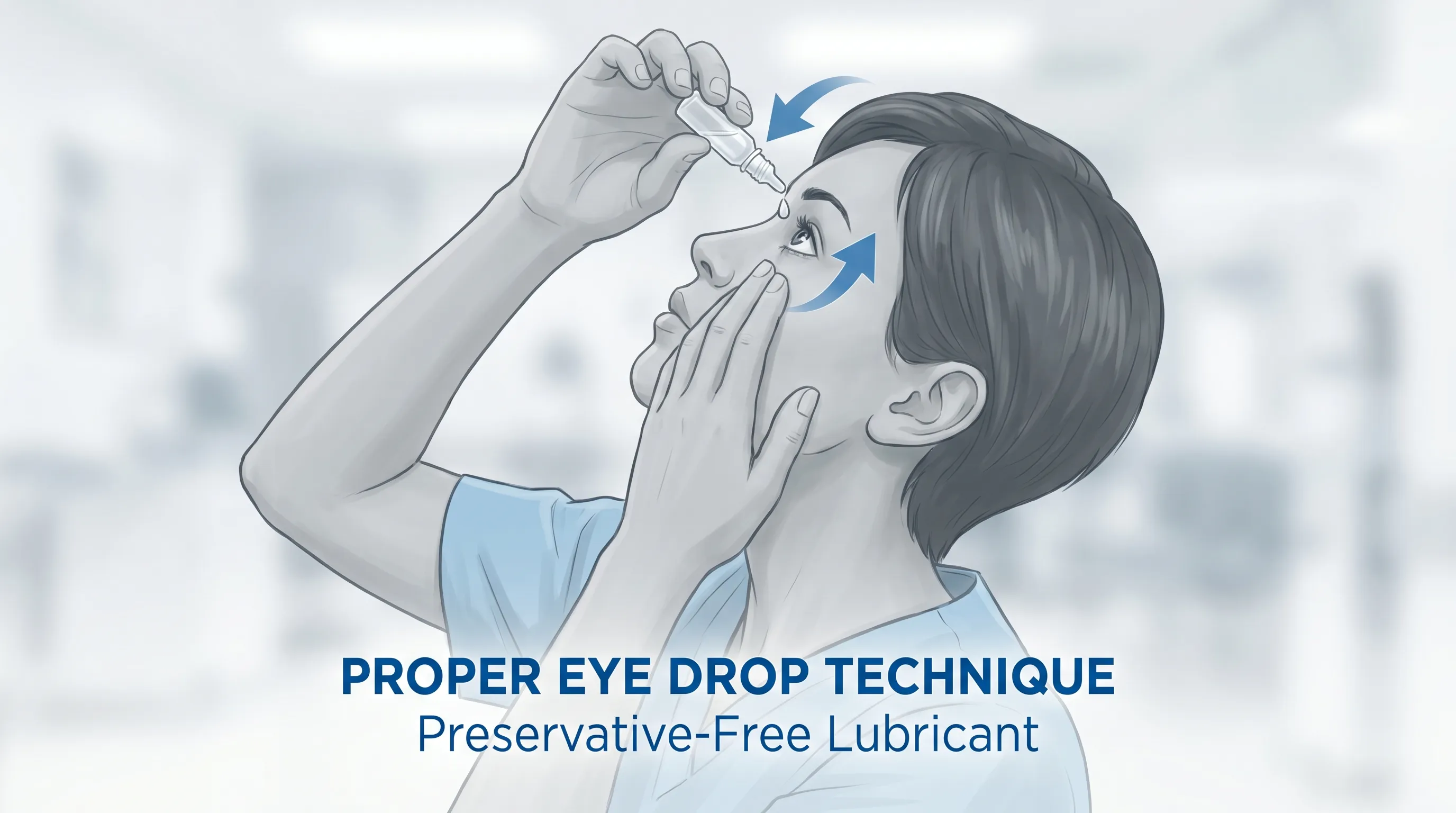
Preservative-free formulations utilize single-dose vials or innovative multi-dose filtering systems to maintain sterility without chemical biocides. These drops incorporate high-molecular-weight polymers such as carboxymethylcellulose, sodium hyaluronate, or hydroxypropyl guar that bind to the corneal epithelium and extend tear break-up time. Unlike saline or cleaning solutions, they are engineered with precise osmolarity (approximately 280-295 mOsm/kg) and pH buffering to match physiological conditions seamlessly. The Cleveland Clinic confirms that targeted, preservative-free formulations safely restore tear film stability and provide sustained ocular surface hydration.
Clinical trials demonstrate that daily use of preservative-free lubricants significantly reduces epithelial damage, improves subjective comfort scores, and extends daily wearing time for contact lens patients. When evaluating whether can you put contact solution in your eyes for dryness, switching to a targeted, clinically validated lubricant provides sustained relief without compromising tissue integrity.
How to Identify Eye-Appropriate Formulations
Selecting the right product requires careful label review and consultation with an eye care professional. FDA-approved artificial tears explicitly state their intended use for ocular lubrication and carry clear instructions regarding preservative status and compatibility with soft or rigid lenses. Key indicators of eye-appropriate formulations include isotonic osmolarity, absence of antimicrobial agents, presence of viscosity-enhancing polymers, and clear compatibility statements for in-lens wear.
The following table compares common ocular products to clarify appropriate usage and highlight critical differences:
| Product Type | Primary Ingredients | Intended Use | Safe for Direct Eye Application? | Preservative Status |
|---|---|---|---|---|
| Multipurpose Solution | PHMB, Poloxamer, Boric Acid, Buffer | Clean, Rinse, Disinfect Lenses | No | Contains antimicrobials |
| Hydrogen Peroxide System | 3% H2O2, Neutralizing Catalyst | Overnight Disinfection Only | Absolutely Not | Converts to sterile saline |
| Sterile Saline | 0.9% Sodium Chloride | Rinse Lenses Before Insertion | Limited (Rinsing Only) | Typically preservative-free |
| Preservative-Free Artificial Tears | Hyaluronic Acid, CMC, Electrolytes | Hydrate Ocular Surface, Relieve Dry Eye | Yes | None (unit dose) |
| Rewetting Drops (In-Lens) | Polyethylene Glycol, Glycerin, Buffer | Lubricate Lenses During Wear | Yes | Often contains mild, lens-compatible preservatives |
This comparison clarifies why product substitution is medically inadvisable and reinforces the importance of adhering to manufacturer guidelines.
Proper Handling and Application Protocols
Optimal contact lens outcomes depend heavily on disciplined hygiene practices and precise application techniques. Even the safest formulations become hazardous when introduced through contaminated hands, compromised storage cases, or improper handling sequences.
Step-by-Step Insertion and Removal Guidelines
- Wash hands thoroughly with fragrance-free soap and dry with a lint-free towel.
- Place the lens on a clean fingertip and inspect for tears, deposits, or inverted orientation.
- Ensure the lens has been thoroughly rinsed with sterile saline or fresh multipurpose solution to remove chemical residues.
- Use a mirror to hold the upper and lower eyelids open, then place the lens directly onto the cornea.
- Close the eye gently and perform a slow blink to center the lens.
- Repeat the hygiene sequence for removal, using the non-dominant finger to gently slide the lens downward before lifting it away from the ocular surface.
Consistent adherence to these protocols minimizes mechanical trauma and prevents chemical carryover from cleaning bottles to the cornea.
Case Hygiene and Contamination Prevention Strategies
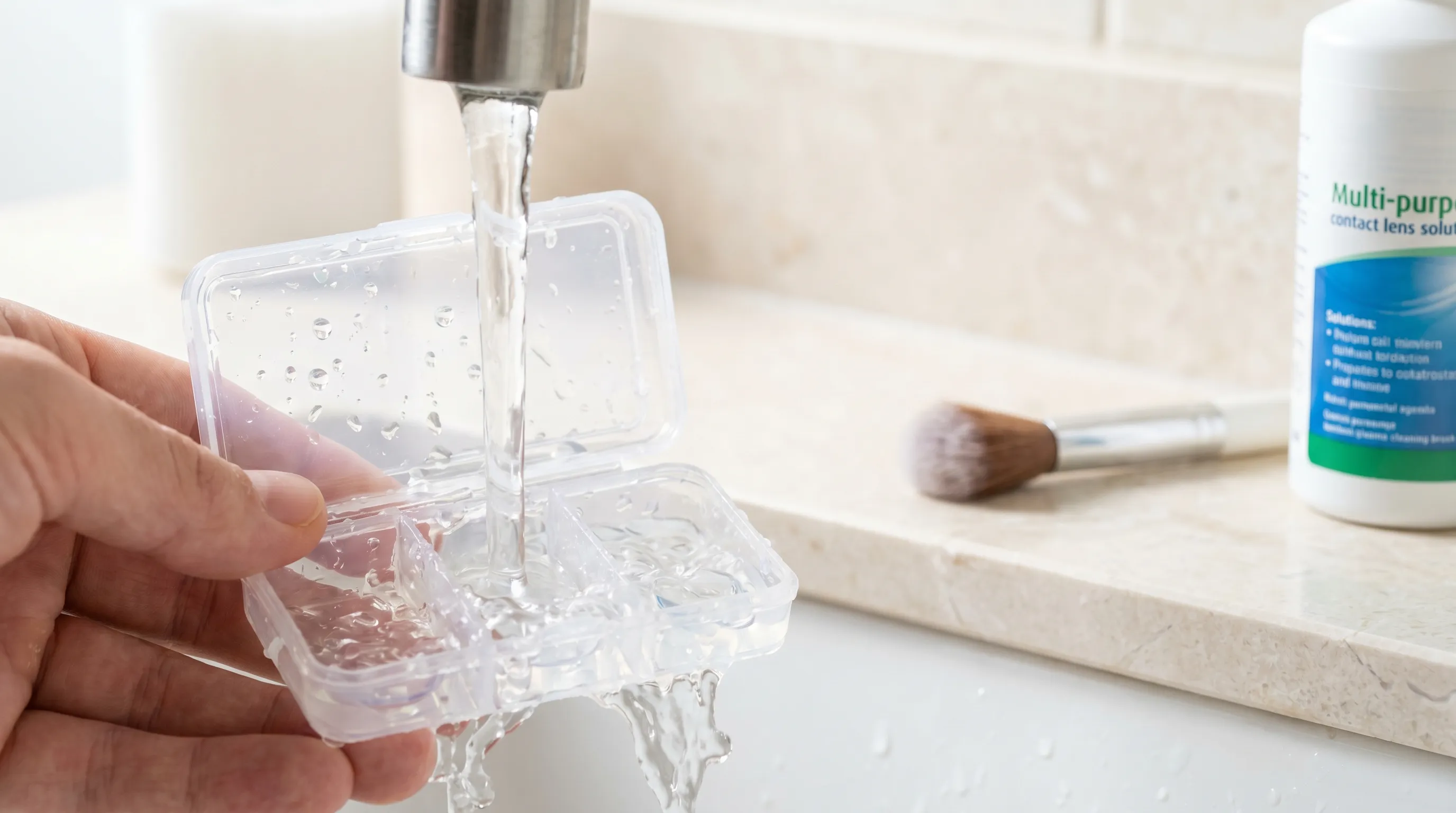
Lens storage cases are among the most common vectors for microbial contamination. Studies indicate that biofilms form within 48 hours of case use if not properly cleaned and replaced. Patients should discard and replace cases monthly, rinse compartments daily with fresh solution (never tap water), and store them air-drying in an inverted position. Avoid topping off old solution, as dilution reduces antimicrobial efficacy and creates a breeding ground for resistant pathogens. Proper case management is as critical as solution selection for preventing sight-threatening infections. Following the CDC's guidelines on preventing contact lens infections significantly reduces the risk of microbial keratitis and case contamination.
Recognizing and Managing Adverse Reactions
Early identification of solution-related complications prevents progression to severe pathology. Patients must be educated on distinguishing normal transient stinging from pathological irritation requiring intervention.
Symptoms of Solution-Induced Keratitis and Conjunctivitis
Warning signs include persistent redness beyond 15 minutes post-insertion, excessive tearing with mucus production, photophobia, foreign body sensation, and blurred vision that does not resolve after blinking. These symptoms indicate epithelial disruption, inflammatory mediator release, or potential microbial introduction. If can you put contact solution in your eyes becomes a source of chronic discomfort, immediate lens removal is necessary.
First Aid and When to Seek Ophthalmological Care
Upon experiencing severe burning or chemical exposure, remove the lens immediately and irrigate the eye with preservative-free saline or artificial tears for 10 to 15 minutes. Do not patch the eye or apply over-the-counter vasoconstrictors, as these mask symptoms and impede natural healing. Seek urgent ophthalmological evaluation if pain persists, if white spots appear on the cornea, or if vision remains significantly impaired. Prompt treatment with topical antibiotics or anti-inflammatory agents, prescribed by a licensed professional, prevents corneal scarring and preserves long-term visual function. For detailed symptom guidance and emergency care steps, refer to WHO recommendations on eye injury management.
Frequently Asked Questions
Can you put multipurpose contact solution directly into your eyes as eye drops?
No, multipurpose contact lens solutions are not formulated as lubricating eye drops. While they are sterile, they contain disinfectants, chelating agents, and buffering agents designed to clean and sanitize lenses, not to maintain the delicate tear film on the ocular surface. Direct application can cause stinging, redness, and temporary corneal epithelial irritation.
Is it safe to use sterile saline solution as eye drops?
Sterile saline is safe to rinse contact lenses and flush the eye, but it lacks the lubricating polymers and electrolytes found in true artificial tears. Because it is isotonic but not viscoelastic, it provides only fleeting moisture and evaporates quickly, making it unsuitable for managing dry eye or providing sustained comfort.
Why does contact lens solution sometimes burn when applied to the eyes?
Burning typically occurs due to preservatives like PHMB, Polyquad, or sodium chloride concentrations that differ from natural tears. Additionally, if hydrogen peroxide systems are not properly neutralized before use, the acidic pH causes immediate chemical irritation. Always follow neutralization times and rinse lenses thoroughly with saline if switching to a different solution type.
Can I use hydrogen peroxide solution without the neutralizing case?
Never. Hydrogen peroxide solutions typically contain 3% active ingredient, which is highly corrosive to the cornea. The specialized case contains a platinum disc or neutralizing tablet that converts the hydrogen peroxide into harmless saline over 6 to 8 hours. Direct exposure can cause severe corneal epithelial damage, intense pain, and temporary vision blur.
What should I do if contact solution gets into my eye accidentally?
If solution accidentally splashes into your eye, immediately rinse the eye thoroughly with sterile saline or preservative-free artificial tears. Avoid rubbing the eye, as this can spread the chemicals across the cornea. Mild stinging should subside within 5 to 10 minutes. If redness, pain, light sensitivity, or blurred vision persists beyond 20 minutes, remove your contact lens and seek prompt ophthalmological evaluation.
Conclusion
The persistent question of can you put contact solution in your eyes ultimately stems from a misunderstanding of product design and ocular physiology. While contact lens solutions are meticulously engineered to maintain lens clarity and eliminate pathogens, their chemical composition is fundamentally incompatible with direct corneal application. Multipurpose disinfectants, peroxide systems, and even sterile saline lack the viscoelastic polymers, pH buffering, and biocompatibility required to sustain the tear film. Substituting these products for purpose-built artificial tears disrupts epithelial homeostasis, triggers preservative-induced inflammation, and accelerates dry eye pathology. Prioritizing preservative-free lubricants, adhering to strict hygiene protocols, and consulting licensed eye care professionals ensures that your vision correction journey remains safe, comfortable, and sustainable. Remember that the eyes demand precise, evidence-based care; choosing the right product for the right purpose is the foundation of lifelong ocular health and visual clarity.
How we work
Researched and drafted with AI assistance, then reviewed by a human editor against the cited sources.
This article is general health information, not medical advice. Consult a qualified healthcare professional about your own situation.