Can Vaping Cause Stomach Issues? A Medical Deep Dive Into E-Cigarettes and Digestive Health

The rapid rise in e-cigarette popularity has brought unprecedented attention to respiratory health, but an equally important conversation is unfolding around the digestive system. Many users report unexplained nausea, bloating, heartburn, and irregular bowel movements after starting to vape, leaving them to wonder: can vaping cause stomach issues? The answer is a medically resounding yes. The chemical composition of aerosolized e-liquids, combined with the physiological effects of nicotine, directly influences gastrointestinal function, gut-brain signaling, and the delicate ecosystem of intestinal bacteria. While e-cigarettes are often marketed as a safer alternative to traditional tobacco, they are far from biologically neutral, a position consistently reinforced by the World Health Organization. Every inhalation introduces a complex mixture of solvents, flavorants, and alkaloids into the respiratory tract, where a significant portion is rapidly absorbed into the bloodstream and subsequently impacts the enteric nervous system and digestive mucosa. Understanding this connection requires a deep dive into how vaping alters gastric motility, disrupts microbial balance, and triggers inflammatory pathways that manifest as chronic or acute stomach discomfort. If you are experiencing persistent digestive distress alongside your vaping habit, recognizing the underlying mechanisms is the first step toward finding relief. This comprehensive, evidence-based guide explores the clinical research behind e-cigarette-induced gastrointestinal symptoms, breaks down the specific ingredients responsible for digestive upset, and provides actionable strategies to protect your gut health while navigating your path forward.
The Physiological Connection Between E-Cigarette Aerosol and the Gastrointestinal Tract
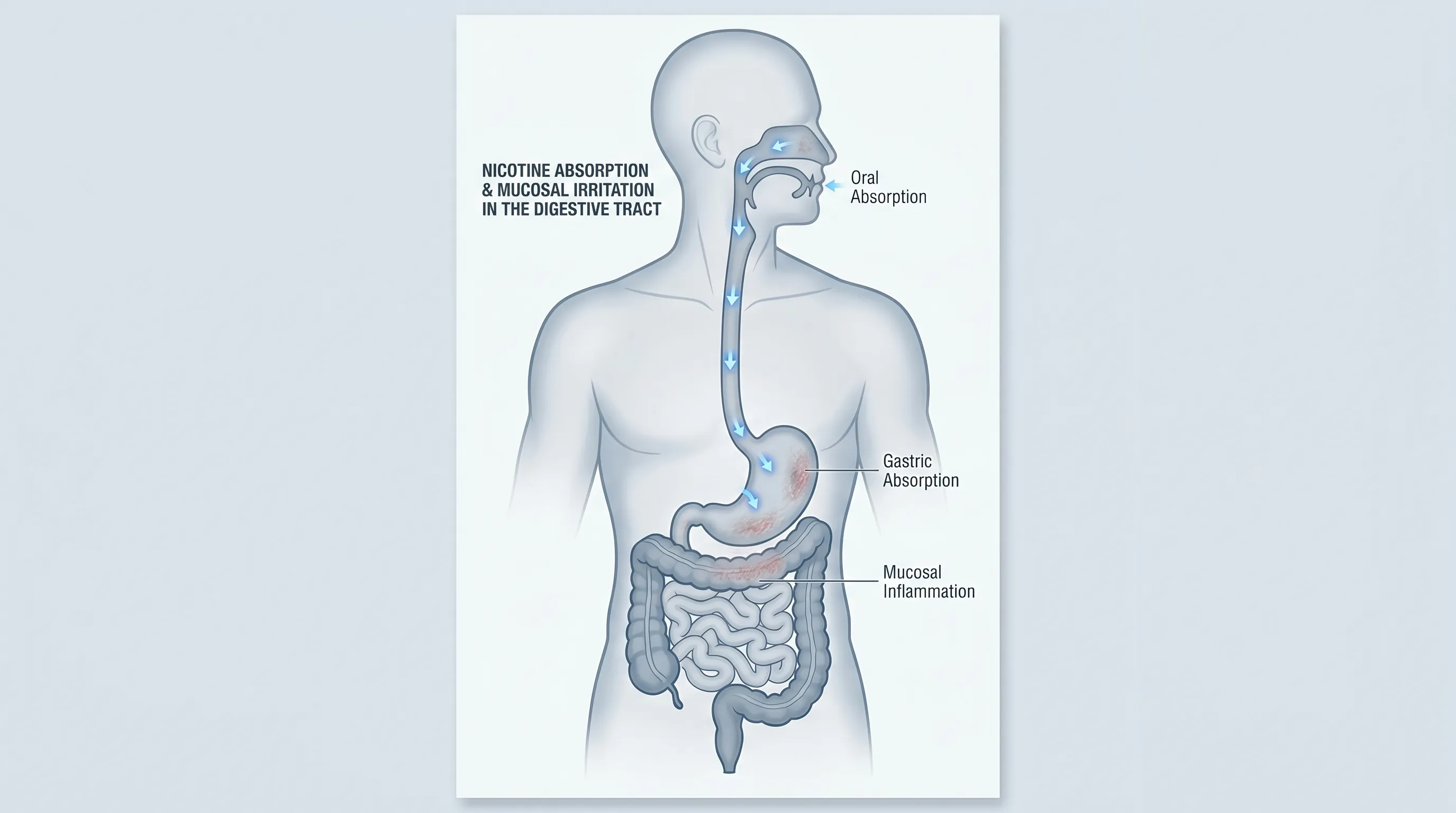
To fully grasp why many users ask whether can vaping cause stomach issues, it is essential to examine the biological pathways that link inhaled chemicals to digestive function. Unlike traditional cigarettes, which deliver thousands of combustion byproducts directly into the stomach through swallowed smoke, e-cigarettes vaporize liquid solutions into microscopic aerosol droplets. These droplets deposit in the lungs, cross the alveolar membrane, and enter systemic circulation within seconds. From there, the compounds travel to the stomach, intestines, and liver, where they interact with mucosal tissues and digestive enzymes. The gastrointestinal tract is not an isolated system; it is heavily integrated with the central and autonomic nervous systems through the gut-brain axis. When nicotine and other e-liquid chemicals stimulate this network, they alter peristalsis, change gastric pH levels, and modify secretory functions that regulate digestion.
Free calculatorWater Intake CalculatorCalculate daily water needsOpen the calculatorBreaking Down E-Liquid Ingredients and Gut Absorption
Most e-liquids are formulated with a base of propylene glycol (PG) and vegetable glycerin (VG), dissolved with nicotine and synthetic flavorings. While these compounds are generally recognized as safe for oral consumption in regulated food quantities, their aerosolized delivery changes their pharmacokinetic profile. PG is hygroscopic, meaning it attracts and retains water. When inhaled and subsequently absorbed into the gastrointestinal tract, it can draw moisture away from intestinal linings, leading to localized dehydration and osmotic shifts. This process disrupts the natural lubrication of the stomach and small intestine, often manifesting as bloating, cramping, or irregular bowel movements. VG, being a sugar alcohol derivative, follows a different metabolic pathway. While partially fermented in the colon, high concentrations can feed opportunistic gut bacteria, altering fermentation rates and producing excess gas. Public health agencies like the Centers for Disease Control and Prevention (CDC) note that the long-term effects of daily aerosolized PG and VG consumption remain inadequately studied, but emerging clinical observations consistently link chronic use to mild-to-moderate gastrointestinal distress.
Nicotine’s Role in Gut-Brain Communication and Motility
Nicotine is the primary psychoactive component in most e-cigarettes, and it exerts profound effects on the enteric nervous system. Once absorbed, nicotine binds to nicotinic acetylcholine receptors located throughout the stomach and intestines. This binding stimulates the release of catecholamines and acetylcholine, which accelerate gastric emptying in some users while paradoxically slowing intestinal transit in others. The variability in response explains why some vapers experience urgent diarrhea shortly after use, while others struggle with constipation. More critically, nicotine increases basal gastric acid secretion. Elevated acid levels can erode protective mucosal layers, making the stomach more susceptible to irritation from other ingested substances, medications, or even the e-liquid compounds themselves. Research from the National Institutes of Health (NIH) highlights that chronic nicotine exposure dysregulates the cholinergic pathways responsible for coordinating digestive muscle contractions, leading to unpredictable motility patterns that directly answer the question: can vaping cause stomach issues through nervous system disruption? Absolutely, and the effect compounds with daily use.
Common Stomach and Digestive Issues Linked to Vaping
The clinical presentation of vaping-related gastrointestinal distress varies widely depending on usage frequency, nicotine concentration, e-liquid composition, and individual biological susceptibility. Medical literature consistently documents several recurring symptom clusters that gastroenterologists attribute to e-cigarette exposure. Recognizing these patterns is crucial for distinguishing vaping-induced discomfort from unrelated gastrointestinal disorders.
Acid Reflux, GERD, and Lower Esophageal Sphincter Relaxation
One of the most frequently reported digestive complaints among vapers is heartburn and acid reflux. Nicotine has a well-documented relaxing effect on the lower esophageal sphincter (LES), the muscular valve that prevents stomach acid from flowing backward into the esophagus. When the LES remains partially open due to nicotine exposure, gastric juices can escape upward, causing the characteristic burning sensation of reflux. Over time, repeated acid exposure can lead to erosive esophagitis and worsen pre-existing gastroesophageal reflux disease (GERD). Vaping often exacerbates this mechanism because users tend to take frequent, prolonged puffs, maintaining elevated nicotine levels throughout the day and preventing the LES from fully recovering its resting tone. Additionally, the act of drawing on a vaping device creates subtle intra-abdominal pressure changes that can further encourage acid migration. Clinical guidelines from the American College of Gastroenterology recommend that patients with refractory GERD eliminate all forms of nicotine exposure, including e-cigarettes, to allow the sphincter to regain normal function. The Mayo Clinic further corroborates this, emphasizing that nicotine directly weakens esophageal sphincter tone and significantly increases reflux episodes.
Nausea, Dizziness, and Acute Nicotine Toxicity
Nausea is perhaps the most immediate and recognizable sign that the digestive system is struggling to process inhaled nicotine. The brain’s chemoreceptor trigger zone detects sudden spikes in blood nicotine levels and initiates protective vomiting reflexes. This response is particularly common among individuals who transition from low-nicotine products to high-strength formulations, or those who chain-vape without adequate hydration. Acute nicotine toxicity also increases gastric contractions while simultaneously delaying small bowel motility, creating a conflicting physiological environment that produces cramping and queasiness. The question of can vaping cause stomach issues often emerges in clinical settings precisely because patients mistake chronic low-grade nausea for food intolerance or viral gastroenteritis. A thorough exposure history typically reveals the correlation. Reducing nicotine concentration, spacing vaping sessions, and consuming bland, easily digestible foods during adjustment periods significantly mitigate these symptoms.
The Impact of Vaping on the Gut Microbiome and Digestive Enzymes
Beyond immediate symptomatic effects, emerging research indicates that e-cigarette use may fundamentally alter the composition and functionality of the intestinal microbiome. The gut microbiota plays a critical role in nutrient absorption, immune regulation, and digestive enzyme production. Disruptions to this ecosystem rarely cause overnight illness, but they lay the groundwork for chronic gastrointestinal dysfunction that develops over months or years of regular use.
How Propylene Glycol and Vegetable Glycerin Ferment in the Intestines
While the small intestine absorbs many inhaled compounds, a portion inevitably reaches the colon, where trillions of microbes await. Propylene glycol and vegetable glycerin serve as substrates for bacterial fermentation. In balanced doses, fermentation produces short-chain fatty acids that nourish colonocytes. However, chronic, concentrated exposure from daily vaping can shift the microbial balance toward gas-producing and potentially pathogenic strains. Users often report increased flatulence, abdominal distension, and altered stool consistency as fermentation patterns change. A 2022 study published in Gut Microbes demonstrated that frequent e-cigarette users exhibited reduced levels of Bifidobacterium and Lactobacillus species, both of which are essential for maintaining intestinal barrier integrity and reducing inflammation. According to the Cleveland Clinic, the depletion of these beneficial microbes correlates with heightened sensitivity to dietary triggers and a greater likelihood of experiencing irritable bowel-like symptoms.
Inflammatory Markers and Long-Term Mucosal Irritation
Chronic exposure to aerosolized flavoring agents, such as diacetyl, cinnamaldehyde, and vanillin, has been linked to localized inflammation in the gastrointestinal lining. These compounds generate reactive oxygen species that stress epithelial cells, compromising tight junctions between intestinal walls. When these barriers weaken, a condition colloquially referred to as "leaky gut" can occur, allowing undigested food particles and bacterial endotoxins to enter systemic circulation. This triggers a cascade of immune responses that manifest as systemic fatigue, joint discomfort, and persistent digestive unease. Researchers continue to investigate whether vaping contributes to the development or exacerbation of autoimmune gastrointestinal disorders. Preliminary data from the Crohn’s & Colitis Foundation suggests that individuals with inflammatory bowel disease who vape report higher flare frequencies and greater reliance on anti-inflammatory medications compared to non-vaping counterparts. Understanding these pathways reinforces the clinical consensus that can vaping cause stomach issues extends far beyond temporary heartburn.
Can Vaping Cause Stomach Issues in Adolescents and First-Time Users?
The adolescent digestive system is still maturing well into the mid-twenties. Hormonal fluctuations, developing gut flora, and evolving nervous system regulation make younger individuals particularly vulnerable to external chemical exposures. When teenagers or young adults begin vaping, their gastrointestinal tracts often react more dramatically than those of long-term adult smokers who have developed physiological tolerance.
Developing Digestive Tracts and Heightened Sensitivity
The enteric nervous system in adolescents is highly plastic, meaning it adapts quickly to new stimuli but also overreacts to unfamiliar chemicals. Introducing nicotine during this developmental window can permanently alter receptor density and baseline gastric acid production. Many pediatric gastroenterologists report a surge in cases involving unexplained dyspepsia, early satiety, and functional abdominal pain among teenage vapers. Because young users often conceal their habits, symptoms are frequently misdiagnosed as stress-related or dietary in origin. Screening protocols now routinely include questions about e-cigarette use when evaluating persistent stomach complaints in patients under twenty-five. The protective mucosal layer in younger guts is also thinner, allowing irritants to penetrate more easily and cause micro-ulcerations that contribute to chronic discomfort.
Early Warning Signs and Progression to Chronic Discomfort
First-time users typically experience acute symptoms that serve as biological warning signals. Nausea upon waking, frequent burping, mild epigastric tenderness, and alternating bowel habits are common initial presentations. If exposure continues without intervention, these acute symptoms often transition into functional gastrointestinal disorders. The body’s stress response to chronic nicotine and chemical exposure elevates cortisol levels, which further suppresses digestive enzyme secretion and impairs mucosal repair. This creates a self-perpetuating cycle of inflammation and discomfort. Healthcare providers emphasize that addressing the question can vaping cause stomach issues in adolescents requires proactive education and early intervention. Parental awareness of warning signs and access to confidential cessation resources can prevent the progression from mild irritation to debilitating digestive dysfunction.
Evidence-Based Comparison: Vaping vs. Traditional Cigarette Impact on Digestion
Many individuals turn to e-cigarettes believing they will eliminate gastrointestinal side effects associated with traditional smoking. While combustion byproducts like tar and carbon monoxide are undeniably harsh on the digestive system, replacing cigarettes with vaping does not resolve underlying chemical irritation. Understanding the comparative impact helps users make informed decisions about their health trajectory.
| Digestive Parameter | Traditional Cigarette Smoking | E-Cigarette Vaping | Clinical Implication |
|---|---|---|---|
| Nicotine Delivery | Combustion-based, rapid systemic absorption | Aerosolized, highly concentrated, customizable dosing | Both significantly alter gastric acid and motility |
| Carbon Monoxide Exposure | High, reduces oxygen delivery to gut tissues | Negligible | Smoking causes chronic ischemic changes; vaping avoids this |
| Flavor Chemical Load | Minimal (tobacco combustion masks flavors) | High (synthetic aldehydes, esters, and sweeteners) | Vaping introduces novel irritants to the mucosal lining |
| Lower Esophageal Sphincter Impact | Marked relaxation, severe reflux | Moderate to high relaxation, frequent GERD exacerbation | Both impair LES tone, but vaping allows prolonged daily exposure |
| Microbiome Disruption | Documented reduction in diversity, pathogenic overgrowth | Emerging evidence of Bifidobacterium/Lactobacillus depletion | Long-term ecological impact of vaping still being mapped |
| Carcinogen Presence | Known polycyclic aromatic hydrocarbons, nitrosamines | Trace levels from heating coils, variable by device | Both carry long-term risks, but vaping’s gastrointestinal profile is less studied |
The table illustrates that while vaping eliminates certain combustion-related toxins, it introduces a unique set of challenges to digestive health. The high concentration of vaporized propylene glycol and synthetic flavorings, combined with customizable but often excessive nicotine delivery, creates an environment where can vaping cause stomach issues becomes increasingly likely with frequent use. Clinical practitioners now evaluate both habits through the lens of mucosal irritation, motility disruption, and microbial imbalance rather than simply comparing toxicity levels.
Actionable Strategies to Protect Your Digestive Health
If you currently vape and experience gastrointestinal symptoms, immediate lifestyle and behavioral adjustments can significantly reduce discomfort and prevent long-term damage. The following protocols are grounded in gastroenterological best practices and patient-centered care models.
Hydration Protocols and Dietary Adjustments for Vapers
Propylene glycol’s hygroscopic properties make systemic hydration a non-negotiable priority for anyone experiencing vaping-related stomach issues. Consuming 2.5 to 3 liters of water daily helps maintain mucosal moisture, supports enzymatic function, and flushes excess metabolites through renal and biliary pathways. Incorporating electrolyte-rich fluids, such as coconut water or oral rehydration solutions, prevents the sodium and potassium imbalances that exacerbate intestinal cramping. From a dietary perspective, prioritize easily digestible proteins, soluble fiber, and fermented foods that naturally replenish beneficial gut bacteria. Avoiding highly processed foods, excessive caffeine, and alcohol while actively vaping reduces compound irritation and lowers the threshold for acid reflux. Many patients report noticeable improvement within seven days of implementing these foundational adjustments.
When to Consult a Gastroenterologist
While mild digestive fluctuations often resolve with hydration and reduced vaping frequency, persistent symptoms warrant professional evaluation. Red flags include unexplained weight loss, black or bloody stools, vomiting that interferes with daily activities, heartburn that does not respond to over-the-counter antacids, or abdominal pain localized to specific quadrants. A board-certified gastroenterologist can perform targeted diagnostics, including endoscopy, hydrogen breath tests, and stool microbiome analysis, to differentiate vaping-induced irritation from conditions like peptic ulcer disease, celiac disease, or inflammatory bowel disorders. Bringing a detailed vaping log that notes nicotine strength, flavor profiles, and usage frequency to your appointment provides clinicians with critical context for accurate diagnosis and tailored treatment plans. Remember that can vaping cause stomach issues severe enough to mimic serious pathology? Yes, and professional guidance ensures you receive appropriate care rather than masking underlying conditions with self-management.

Frequently Asked Questions
Can vaping cause stomach issues in people who only use nicotine-free e-liquids?
Yes. Even without nicotine, the base ingredients propylene glycol and vegetable glycerin, along with synthetic flavoring compounds, can trigger gastrointestinal irritation. PG is hygroscopic and may cause osmotic shifts in the intestines, while certain flavorants like cinnamon and citrus derivatives are known mucosal irritants that can induce nausea, bloating, and mild reflux in sensitive users.
Does switching to lower-wattage vaping devices reduce digestive side effects?
Partially. Lower-wattage devices produce less vapor volume and operate at cooler temperatures, which reduces the formation of thermal degradation byproducts that irritate the digestive tract. However, if nicotine concentration and frequency of use remain unchanged, the fundamental mechanisms driving acid reflux and altered motility will persist. Device adjustments should accompany comprehensive habit modification for optimal results.
How does vaping affect gut bacteria compared to probiotic supplements?
Vaping has been shown to reduce the abundance of beneficial bacterial strains like Lactobacillus and Bifidobacterium, which are precisely the species found in most clinical probiotic formulations. Introducing probiotic supplements while continuing to vape creates a counterproductive cycle where new bacterial colonies are constantly challenged by chemical exposure. Discontinuing or significantly reducing vaping while taking probiotics yields substantially better microbiome restoration outcomes.
Are there specific times of day when vaping is most likely to cause stomach upset?
Vaping on an empty stomach or immediately before lying down significantly increases the likelihood of acid reflux, nausea, and gastric cramping. Morning vaping before breakfast triggers sudden nicotine-induced gastric acid release without food to buffer the pH. Evening vaping close to bedtime prevents gravity and esophageal peristalsis from naturally clearing stomach contents, prolonging acid exposure and disrupting digestive rest cycles during sleep.
Can vaping cause stomach issues that require prescription medication to treat?
In cases of chronic exposure, yes. Persistent nicotine-induced GERD can progress to erosive esophagitis, requiring proton pump inhibitors or H2 blockers for mucosal healing. Severe alterations in gut motility may necessitate prescription prokinetic agents or neuromodulators. Additionally, if vaping contributes to flare-ups of underlying inflammatory bowel conditions, gastroenterologists may prescribe targeted biologics or immunomodulators to restore intestinal barrier function.
Conclusion
The growing body of clinical evidence leaves little room for ambiguity regarding the digestive consequences of e-cigarette use. When individuals ask whether can vaping cause stomach issues, healthcare professionals can confidently affirm that the chemical composition of aerosolized e-liquids directly impacts gastric acid regulation, esophageal sphincter tone, intestinal motility, and microbiome equilibrium. While vaping eliminates certain combustion-related toxins found in traditional tobacco, it introduces a distinct set of physiological challenges that manifest as nausea, reflux, bloating, and long-term mucosal irritation. Recognizing these symptoms early, understanding the underlying biological mechanisms, and implementing targeted hydration, dietary, and behavioral adjustments are essential steps toward preserving gastrointestinal health. For those who vape recreationally or as part of a smoking cessation strategy, monitoring digestive feedback is just as important as tracking respiratory changes. If symptoms persist despite lifestyle modifications, consulting a qualified gastroenterologist ensures that potentially serious conditions are not overlooked. Ultimately, protecting your stomach and digestive system requires the same intentionality and evidence-based decision-making that should guide every aspect of your wellness journey.
How we work
Researched and drafted with AI assistance, then reviewed by a human editor against the cited sources.
This article is general health information, not medical advice. Consult a qualified healthcare professional about your own situation.