Best Peptides for Fat Loss: Science-Backed Guide to Metabolic Enhancement

Navigating the complex landscape of metabolic optimization has never been more dynamic, and the emergence of peptide therapy represents a paradigm shift in evidence-based weight management. As traditional approaches frequently encounter plateaus, rebound effects, or unsustainable metabolic adaptations, researchers and clinicians are increasingly turning to targeted molecular compounds that communicate directly with cellular receptors to recalibrate energy balance (CDC, 2023). Understanding the best peptides for fat loss requires a deep dive into endocrine signaling, pharmacokinetics, and the physiological mechanisms that govern lipolysis. When integrated correctly, these bioactive chains of amino acids can enhance appetite regulation, improve insulin sensitivity, preserve lean muscle tissue, and accelerate adipose tissue mobilization. This comprehensive guide explores the clinical science behind the most effective compounds available today, outlines practical implementation strategies, and provides a realistic roadmap for achieving sustainable body composition goals without compromising long-term health. Whether you are evaluating treatment options under medical supervision or researching metabolic enhancement protocols, the information presented here draws upon peer-reviewed studies, clinical guidelines, and real-world therapeutic outcomes to help you make informed decisions. By the conclusion of this article, you will have a clear, actionable understanding of how peptide therapy fits into modern metabolic medicine and how to leverage these compounds safely for lasting results.
What Are Peptides and How Do They Work for Weight Management?
Peptides are short chains of amino acids, typically containing between two and fifty residues, that function as signaling molecules within biological systems, as detailed by the Mayo Clinic. Unlike proteins, which perform structural or enzymatic roles, peptides primarily act as messengers that bind to specific cell surface receptors and trigger downstream physiological cascades. In the context of metabolic health and body composition, these compounds can modulate hormone release, alter gene expression, influence mitochondrial function, and regulate neural pathways that govern hunger and satiety. The medical community has recognized their therapeutic potential for decades, but advances in synthetic peptide production, receptor mapping, and delivery systems have only recently made them accessible for targeted fat loss applications.
Free calculatorPeptide CalculatorCalculate peptide reconstitution and dosageOpen the calculatorThe Molecular Foundation of Peptide Therapy
Every peptide utilized in clinical or research settings is engineered to mimic or enhance naturally occurring signaling pathways. For instance, incretin-mimetic peptides replicate hormones released by intestinal L-cells in response to nutrient ingestion, while growth hormone secretagogues stimulate the anterior pituitary gland without causing the supraphysiological spikes associated with exogenous human growth hormone administration. This precision targeting is what separates peptide therapy from conventional weight loss supplements, which often rely on stimulants, diuretics, or broad metabolic accelerators that produce temporary results and significant side effect profiles. The structural stability of synthetic peptides has improved dramatically, with modifications such as amino acid substitutions and PEGylation extending half-lives and enhancing receptor binding affinity. When sourced through regulated compounding pharmacies or FDA-approved pharmaceutical channels, these compounds offer a predictable, dose-dependent response that aligns with individual metabolic baselines.
Mechanisms Driving Fat Oxidation and Energy Balance
Fat loss fundamentally requires a sustained caloric deficit, but the quality of that deficit determines whether the body oxidizes stored adipose tissue or catabolizes lean muscle mass. Peptides influence this partitioning through multiple synergistic pathways. First, many compounds enhance leptin and insulin signaling, restoring cellular sensitivity that is frequently blunted in individuals with prolonged metabolic stress or excess adiposity. Second, several peptides upregulate lipase activity, particularly hormone-sensitive lipase and adipose triglyceride lipase, which break down stored triglycerides into free fatty acids for mitochondrial oxidation. Third, specific secretagogues elevate circulating growth hormone and insulin-like growth factor-1 levels in a pulsatile, physiological manner, preserving nitrogen balance and promoting muscle protein synthesis during energy restriction. Finally, neuroactive peptides modulate hypothalamic appetite centers, reducing ghrelin-driven hunger pangs while amplifying pro-opiomelanocortin signaling that promotes satiety. Together, these mechanisms create an internal environment where fat mobilization occurs efficiently, muscle mass is protected, and dietary adherence becomes significantly more manageable.
The Best Peptides for Fat Loss: A Comprehensive Breakdown
Identifying the best peptides for fat loss requires evaluating clinical trial data, real-world efficacy reports, pharmacological safety profiles, and long-term metabolic impact. Not all compounds are created equal, and some prioritize visceral adiposity reduction while others excel at appetite suppression or lean mass preservation. The following analysis examines the most extensively studied peptides currently utilized in metabolic optimization protocols, detailing their mechanisms, typical dosing ranges, and evidence-based outcomes. This section serves as a foundational reference for understanding which compounds align with specific physiological goals and how they perform when integrated into structured lifestyle interventions.
Semaglutide and Tirzepatide: Incretin Mimetics
Semaglutide and tirzepatide represent the gold standard in pharmacologically enhanced weight management (Cleveland Clinic, 2023). As glucagon-like peptide-1 (GLP-1) and dual GLP-1/GIP receptor agonists respectively, these compounds profoundly influence gastrointestinal motility, pancreatic beta-cell function, and central nervous system appetite regulation. Semaglutide slows gastric emptying and directly stimulates pro-opiomelanocortin neurons in the hypothalamus, leading to sustained reductions in caloric intake. Clinical trials consistently demonstrate average weight reductions of fifteen to twenty percent of baseline body mass over sixty-eight weeks when combined with lifestyle modification. Tirzepatide extends this effect by activating glucose-dependent insulinotropic polypeptide receptors, further enhancing insulin sensitivity and amplifying lipid clearance from hepatic and peripheral adipose stores. Both compounds require gradual dose escalation to mitigate gastrointestinal side effects, and long-term maintenance often involves lower weekly doses to preserve metabolic adaptations. Their FDA approval status, extensive safety monitoring, and robust clinical outcomes make them the most validated options for individuals seeking substantial, sustainable fat loss under medical supervision.
Ipamorelin and CJC-1295: Synergistic Growth Hormone Release
Unlike exogenous growth hormone, which suppresses natural production and carries risks of insulin resistance and joint discomfort, ipamorelin and CJC-1295 function as selective growth hormone releasing hormone (GHRH) and growth hormone releasing peptide (GHRP) analogs. CJC-1295 with drug-affinity complex provides sustained receptor priming, while ipamorelin triggers precise pituitary pulses without elevating cortisol or prolactin levels. This combination promotes a physiological surge in endogenous growth hormone, which directly stimulates lipolysis in abdominal and visceral fat depots while preserving lean tissue. Users typically administer these peptides subcutaneously one to two times daily, often aligning doses with pre-sleep or post-workout windows to align with natural circadian hormone fluctuations. Clinical and observational data suggest that consistent use over eight to twelve weeks improves sleep architecture, enhances recovery capacity, and contributes to a gradual reduction in subcutaneous adipose thickness. Because their mechanism relies on amplifying natural physiology rather than overriding it, the safety profile remains favorable when dosed within established parameters.
Tesamorelin: Visceral Fat Reduction Specialist
Developed initially for the treatment of HIV-associated lipodystrophy (NIH), tesamorelin has gained recognition for its targeted impact on visceral adiposity. As a modified GHRH analog, it selectively mobilizes deep abdominal fat without significantly affecting peripheral subcutaneous stores. This specificity is particularly valuable for individuals with metabolic syndrome, nonalcoholic fatty liver disease, or disproportionate central adiposity that resists traditional diet and exercise interventions. Studies indicate that twenty-four weeks of daily subcutaneous administration can reduce visceral fat volume by fifteen to twenty percent, alongside measurable improvements in fasting lipid panels and hepatic enzyme markers. The compound does not typically produce the dramatic appetite suppression seen with GLP-1 agonists, making it better suited for individuals who already maintain dietary compliance but struggle with stubborn visceral deposits. Post-cycle maintenance requires strategic lifestyle integration to prevent adipose rebound, and medical monitoring ensures thyroid and cortisol axes remain balanced throughout the treatment window.
AOD-9604: Targeted Lipolysis and Recovery
AOD-9604 is a modified fragment derived from human growth hormone, specifically encompassing amino acids 176 to 191 with an oxidized N-terminal to enhance stability and receptor affinity. Research indicates that this fragment retains the lipolytic properties of full-length growth hormone while eliminating diabetogenic and growth-promoting activities. By upregulating beta-3 adrenergic receptor expression in adipocytes and enhancing intracellular cyclic AMP signaling, AOD-9604 accelerates the breakdown of stored triglycerides into free fatty acids for oxidation. It is frequently utilized in combination with training protocols to enhance recovery capacity and minimize exercise-induced catabolism during aggressive caloric deficits. Dosing typically ranges from three hundred to six hundred micrograms daily, administered subcutaneously in the morning or pre-workout. While clinical data remains more limited compared to FDA-approved compounds, its targeted mechanism and minimal systemic hormone disruption make it a compelling adjunct for individuals prioritizing lean mass retention alongside adipose reduction.

Evidence-Based Comparison of Top Fat Loss Peptides
Selecting the appropriate compound requires aligning pharmacological profiles with individual metabolic phenotypes, lifestyle constraints, and clinical objectives. The table below provides a structured comparison of the most widely utilized peptides, highlighting their primary mechanisms, typical administration routes, expected timelines for observable results, and key clinical considerations. This reference is designed to help patients and practitioners evaluate which intervention aligns best with specific fat loss goals and physiological baselines.
| Peptide Compound | Primary Mechanism | Administration Route | Typical Timeline for Results | Key Clinical Considerations |
|---|---|---|---|---|
| Semaglutide | GLP-1 receptor agonism; appetite suppression; delayed gastric emptying | Subcutaneous injection (weekly) | 4–8 weeks | Requires gradual dose titration; monitor GI tolerance; long-term safety well-established |
| Tirzepatide | Dual GLP-1/GIP agonism; enhanced insulin sensitivity; hepatic lipid clearance | Subcutaneous injection (weekly) | 3–6 weeks | Superior visceral fat reduction; monitor fasting glucose; avoid concurrent GLP-1 use |
| Ipamorelin + CJC-1295 | Pulsatile GH release; lipolysis; muscle protein synthesis preservation | Subcutaneous injection (daily/BID) | 6–10 weeks | Avoid high-carb meals pre-dose; cycle 8–12 weeks; monitor IGF-1 and cortisol |
| Tesamorelin | Targeted visceral adipose mobilization; metabolic syndrome improvement | Subcutaneous injection (daily) | 8–12 weeks | Best for central adiposity; requires medical clearance; monitor liver enzymes and lipids |
| AOD-9604 | Fragment-176-191 lipolysis; beta-3 receptor upregulation; recovery enhancement | Subcutaneous injection (daily) | 4–6 weeks | Often stacked with training; minimal endocrine disruption; limited large-scale clinical data |
Safety, Regulatory Status, and Clinical Considerations
The proliferation of peptide research has generated both remarkable therapeutic advancements and significant confusion regarding sourcing, legality, and appropriate clinical oversight. Understanding the distinction between FDA-approved medications, prescription-only compounds, and research-grade chemicals is essential for anyone exploring these interventions. Furthermore, recognizing potential adverse effects, contraindications, and monitoring protocols ensures that metabolic enhancement does not compromise systemic health or long-term physiological resilience. Responsible implementation always begins with comprehensive medical evaluation, baseline biomarker assessment, and transparent communication with a licensed healthcare provider who specializes in metabolic medicine or endocrinology.
Navigating the FDA Landscape
Regulatory classification significantly influences accessibility, manufacturing standards, and clinical validation. Semaglutide and tirzepatide hold full FDA approval for chronic weight management, meaning their manufacturing follows strict Good Manufacturing Practices, dosing guidelines are standardized, and post-marketing surveillance continuously monitors long-term safety. Peptides like ipamorelin, CJC-1295, tesamorelin, and AOD-9604 occupy varying positions: some are approved for specific indications (such as tesamorelin for HIV lipodystrophy), while others are available through compounding pharmacies under physician prescription or marketed strictly for laboratory research. The latter category lacks standardized dosing, independent batch testing, and clinical oversight, increasing the risk of contamination, incorrect concentration, or unexpected physiological responses. Always verify that compounds are sourced from licensed, third-party-tested facilities, and review Certificates of Analysis before administration. Regulatory boundaries exist to protect patients, and navigating them responsibly prevents exposure to substandard products and ensures interventions align with evidence-based medical standards (CDC, 2022).
Recognizing and Managing Adverse Effects
Every bioactive compound carries the potential for side effects, but the nature and severity vary dramatically across peptide classes. GLP-1 receptor agonists commonly produce transient gastrointestinal disturbances, including nausea, bloating, and constipation, which typically resolve with proper dose titration, hydration, and dietary fiber optimization. Growth hormone secretagogues may cause transient water retention, mild joint stiffness, or elevated fasting blood glucose if carbohydrate intake is poorly timed. Rare but clinically significant reactions include hypoglycemia in individuals concurrently using insulin or oral hypoglycemics, tachycardia, or allergic responses to preservatives in reconstitution solutions. Mitigating these risks requires starting at the lowest effective dose, maintaining adequate electrolyte balance, monitoring fasting glucose and lipid panels every four to eight weeks, and immediately discontinuing use if severe headaches, vision changes, or persistent abdominal pain occur. Contraindications include personal or family history of medullary thyroid carcinoma, multiple endocrine neoplasia syndrome, severe gastroparesis, and active malignancy. Transparent symptom tracking and regular clinical follow-ups transform peptide therapy from a speculative intervention into a controlled, medically supervised optimization strategy (Mayo Clinic, 2023).
How to Successfully Integrate Peptides Into Your Routine
Implementing peptide protocols effectively demands more than precise administration; it requires a comprehensive approach that aligns dosing schedules, nutritional strategies, exercise programming, and recovery protocols to amplify metabolic adaptations. Without these synergistic elements, even the most potent compounds will yield diminished returns. The following sections outline actionable frameworks that transform theoretical pharmacology into practical, sustainable fat loss execution. By treating peptide therapy as a catalyst rather than a standalone solution, individuals can maximize lipolytic efficiency, preserve lean tissue, and establish long-term metabolic flexibility.
Precision Administration and Cycle Planning
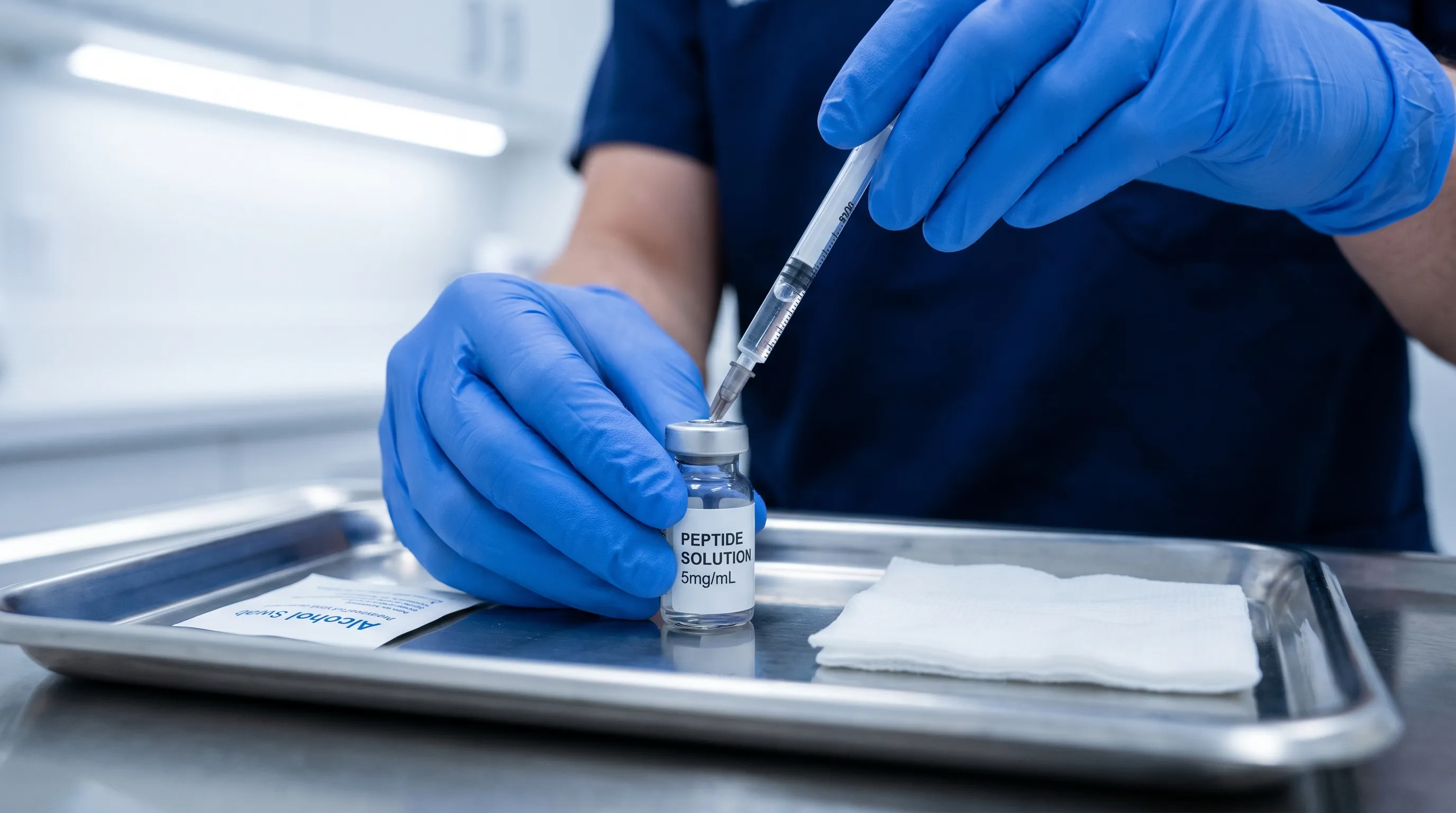
Accurate dosing, proper reconstitution, and strategic injection techniques form the foundation of safe and effective peptide utilization. Most compounds require sterile bacteriostatic water for reconstitution, with careful attention to dilution ratios to ensure microgram-level accuracy. Subcutaneous administration into abdominal or thigh adipose tissue remains the standard, utilizing insulin syringes with 29 to 31 gauge needles to minimize discomfort. Injection sites should be rotated to prevent localized tissue irritation, and storage must follow manufacturer guidelines, typically requiring refrigeration for most reconstituted peptides. Cycle duration typically ranges from eight to sixteen weeks, followed by a four to six week washout period to prevent receptor downregulation and maintain endogenous hormone balance. Tracking injection timing relative to meals and training sessions optimizes bioavailability and aligns peak plasma concentrations with physiological windows where fat oxidation and nutrient partitioning are enhanced. Maintaining a detailed log of doses, side effects, energy fluctuations, and body composition metrics enables precise adjustments and provides objective data for clinical consultations.
Nutritional and Training Synergy
Peptides function optimally within a structured metabolic framework. A protein intake of 1.6 to 2.2 grams per kilogram of body weight supports lean mass preservation during caloric restriction, while a moderate carbohydrate distribution timed around training sessions prevents insulin blunting and maintains glycogen stores. Prioritizing fiber-rich vegetables, healthy fats, and fermented foods enhances gut microbiome diversity, which directly influences GLP-1 sensitivity and systemic inflammation markers (WHO, 2020). Resistance training three to four times weekly with progressive overload signals muscle retention, while zone-2 cardiovascular sessions improve mitochondrial density and fatty acid oxidation capacity. Sleep optimization remains non-negotiable, as growth hormone secretion, cortisol regulation, and ghrelin-leptin balance are profoundly disrupted by chronic sleep deprivation. Hydration protocols should account for increased metabolic turnover, and electrolyte balance must be maintained to support nerve conduction and muscle function. When nutrition, movement, recovery, and peptide administration operate in unison, fat loss transitions from a struggle of deprivation to a coordinated physiological optimization process.
Frequently Asked Questions
How quickly do peptides show results for fat loss?
Most individuals begin noticing changes in appetite, energy levels, and sleep quality within the first two to three weeks. Visible fat loss typically becomes apparent between weeks four and eight, depending on the specific peptide used, dosage precision, dietary adherence, and individual metabolic baseline. Clinical protocols often recommend a twelve-week evaluation period before adjusting dosage or switching compounds. Consistency in administration, meal timing, and training execution directly influences the speed and magnitude of measurable outcomes.
Are peptides safe for long-term weight management?
Safety depends heavily on the specific compound, medical supervision, and sourcing. FDA-approved peptides like semaglutide and tirzepatide have extensive long-term safety data and are designed for chronic management under clinical oversight. Research peptides require careful cycle planning, typically ranging from eight to sixteen weeks, followed by washout periods to prevent receptor desensitization. Regular monitoring of blood glucose, liver function, thyroid markers, and lipid panels is essential for safe, sustainable use. Long-term strategies should prioritize lifestyle maintenance once target composition is achieved, gradually transitioning to nutritional and exercise protocols that sustain metabolic health without ongoing pharmacological support.
Can I combine peptides for accelerated fat loss?
Stacking peptides is common in clinical and research settings, but it requires precise pharmacological knowledge to avoid adverse interactions. Combining a GLP-1 receptor agonist with a growth hormone secretagogue like ipamorelin can enhance lipolysis while preserving lean mass. However, simultaneous use of multiple appetite-suppressing or insulin-sensitizing compounds can increase hypoglycemia risk and amplify gastrointestinal stress. Always work with a qualified medical professional when designing a peptide stack, and introduce one compound at a time to monitor individual tolerance. Phased integration allows for clear identification of synergistic benefits and isolates potential side effects before adding additional interventions.
Do peptides require injection, or are there oral alternatives?
Most clinically effective peptides for fat loss are administered via subcutaneous injection due to gastrointestinal degradation when taken orally. Oral semaglutide exists but has lower bioavailability and requires strict fasting administration protocols to ensure proper absorption. BPC-157 is sometimes used orally for gastrointestinal healing, but fat loss protocols predominantly rely on injectable forms. Microneedle patches and sublingual formulations are emerging delivery methods, but they remain less validated for metabolic enhancement due to variable absorption rates and limited pharmacokinetic data. Injectable administration remains the gold standard for reliable dosing and predictable plasma concentration profiles.
What diet and exercise routines maximize peptide effectiveness?
A high-protein, moderate-carbohydrate diet with an emphasis on fiber-rich vegetables and healthy fats synergizes best with peptide therapy. Resistance training three to four times weekly preserves lean tissue during caloric deficits, while zone-2 cardio enhances mitochondrial efficiency and sustained fat oxidation. Prioritizing sleep hygiene, stress management, and consistent meal timing further optimizes the hormonal environment that peptides modulate. Avoiding extreme caloric restriction prevents metabolic adaptation, which can blunt peptide signaling and reduce long-term efficacy. Tracking macronutrient intake, maintaining progressive training overload, and aligning recovery protocols with administration schedules creates a compounding effect that transforms short-term fat loss into sustainable body composition improvement.
Conclusion
Identifying and implementing the best peptides for fat loss represents a significant advancement in metabolic medicine, but it requires disciplined integration, clinical oversight, and realistic expectations. These bioactive compounds do not replace fundamental physiological principles; rather, they optimize them by enhancing hormonal signaling, improving nutrient partitioning, and supporting sustainable energy balance. Whether utilizing FDA-approved incretin mimetics, physiological growth hormone secretagogues, or targeted adipose mobilizing fragments, success ultimately depends on precision dosing, consistent administration, and comprehensive lifestyle alignment. By prioritizing medical supervision, verifying compound quality, and maintaining structured nutrition and exercise protocols, individuals can safely harness the therapeutic potential of peptide therapy. The journey toward optimized body composition is not about quick fixes or metabolic shortcuts; it is about building a resilient, adaptable system that responds predictably to targeted interventions. With evidence-based protocols, diligent monitoring, and long-term commitment to health fundamentals, peptides can serve as powerful catalysts in a sustainable fat loss strategy that endures well beyond the treatment window.
How we work
Researched and drafted with AI assistance, then reviewed by a human editor against the cited sources.
This article is general health information, not medical advice. Consult a qualified healthcare professional about your own situation.